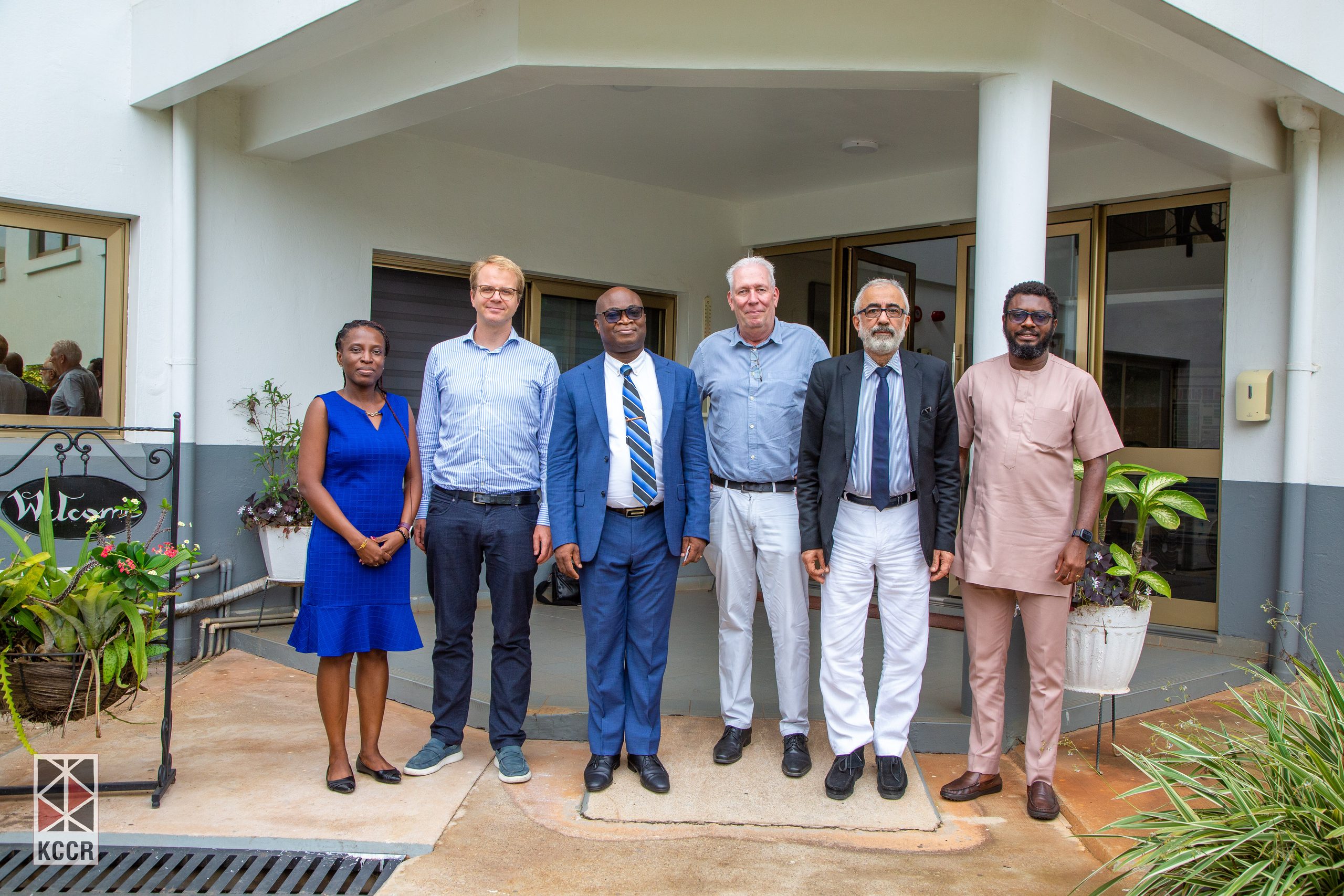
The Kumasi Centre for Collaborative Research in Tropical Medicine marked World TB Day 2026 with a seminar that focused on innovative approaches to tuberculosis diagnosis. The seminar, titled “Beyond Conventional TB Testing: Ghana’s Progress in Immunological Biomarkers and Non-Sputum Diagnostics,” was held on Wednesday, 25th March 2026 at the KCCR Seminar Room.
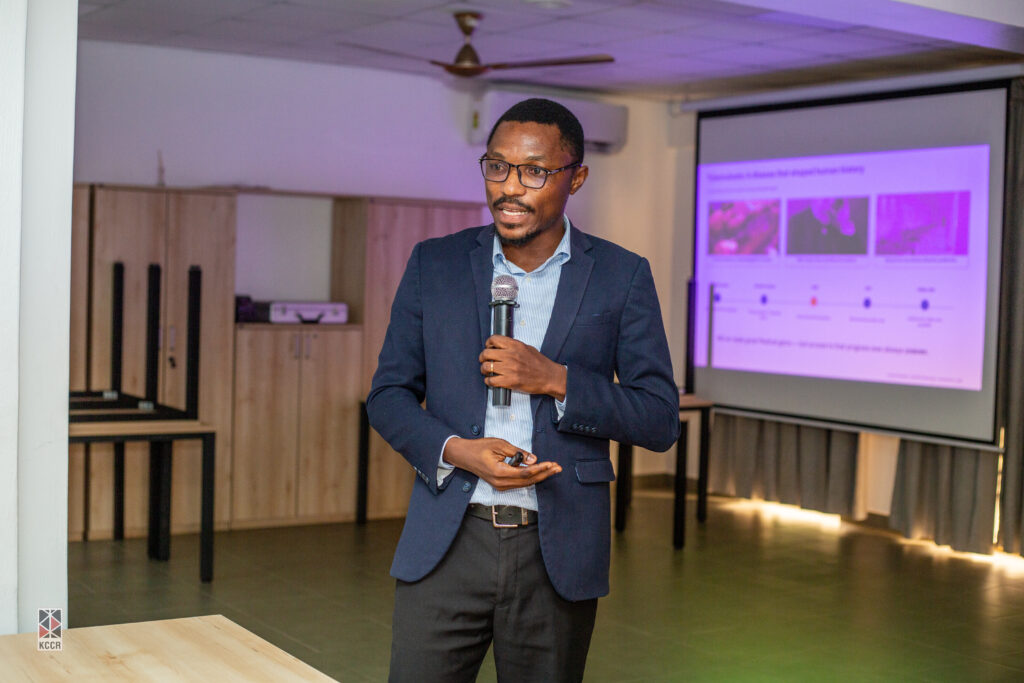
The session was delivered by Dr Ernest Adankwah, Principal Investigator of the SPI_BIOPED TB project at KCCR, who presented a compelling overview of Ghana’s evolving role in the development of alternative TB diagnostic strategies. His presentation traced the journey from longstanding challenges in TB detection to emerging, patient-centred solutions grounded in immunological research.
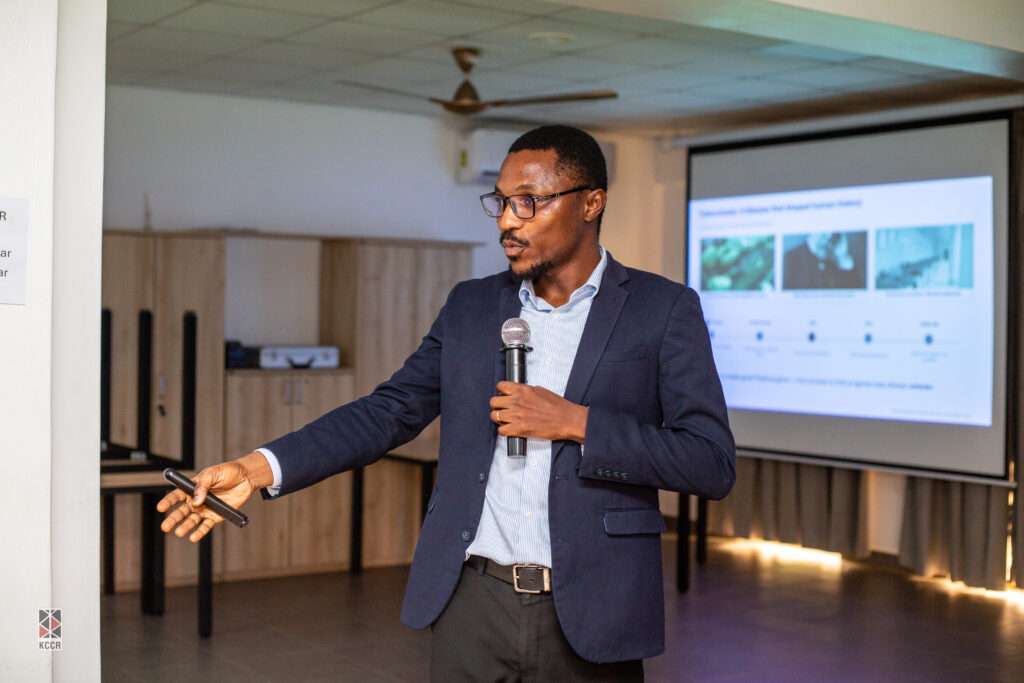
Highlighting current gaps in TB diagnosis, Dr. Adankwah explained how conventional sputum-based methods often fail to detect cases among key populations, particularly children and other vulnerable populations such as individuals living with HIV. He emphasised that these limitations necessitate the development of more accessible and biologically relevant diagnostic tools.
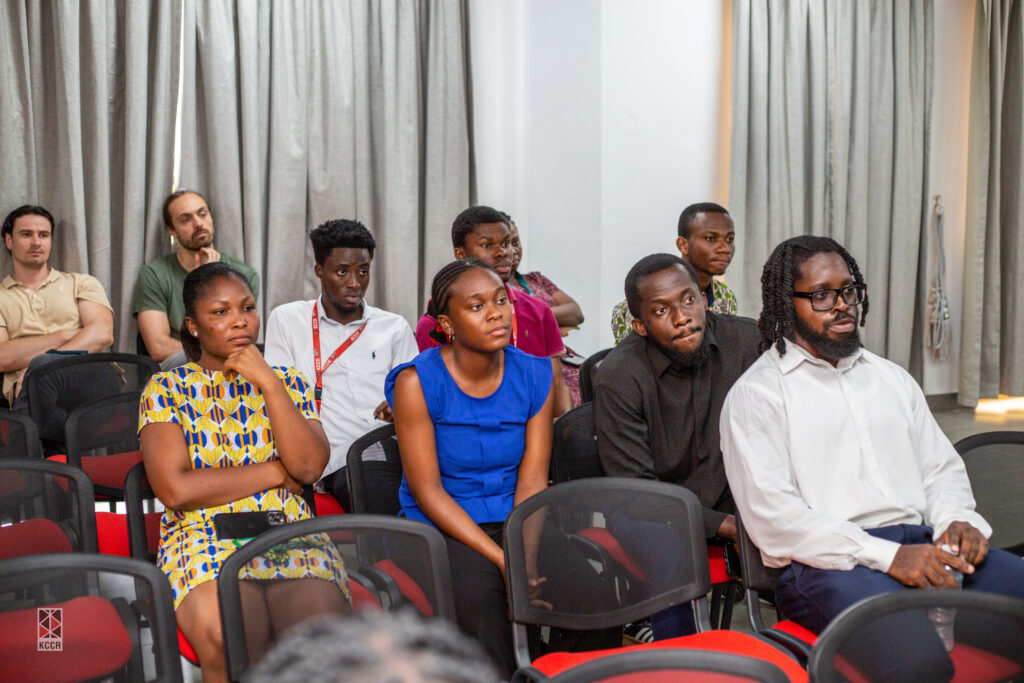
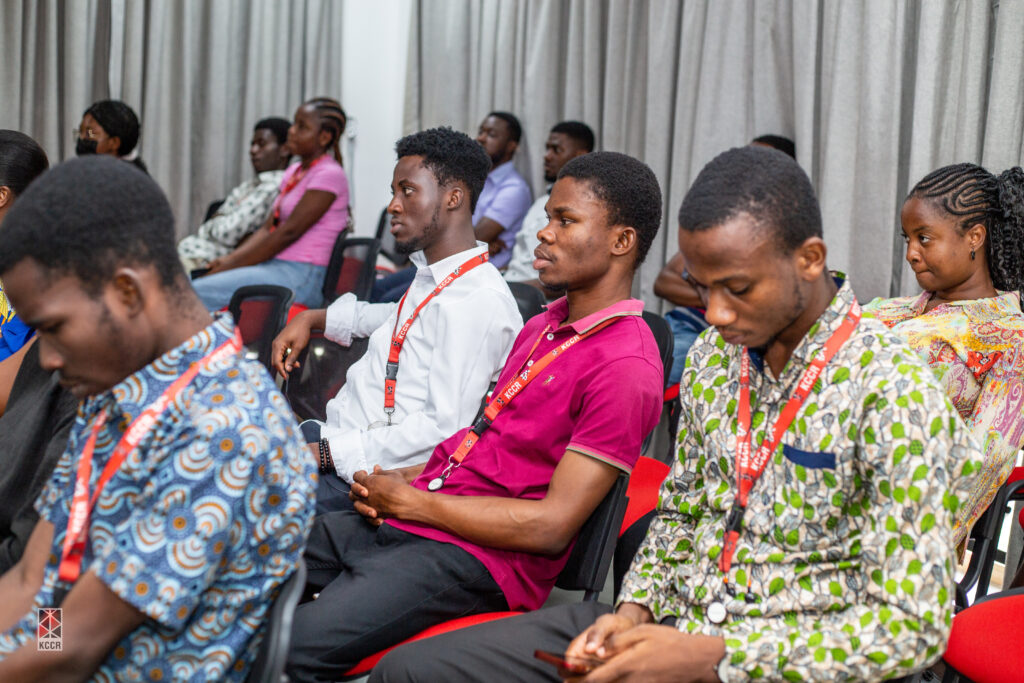
The seminar showcased promising research on immunological biomarkers and non-sputum diagnostics, including blood-based immune signatures, urine-based assays such as LAM, and other innovative approaches aimed at improving early detection and clinical decision-making. These methods offer significant potential to overcome diagnostic barriers and support timely treatment initiation.
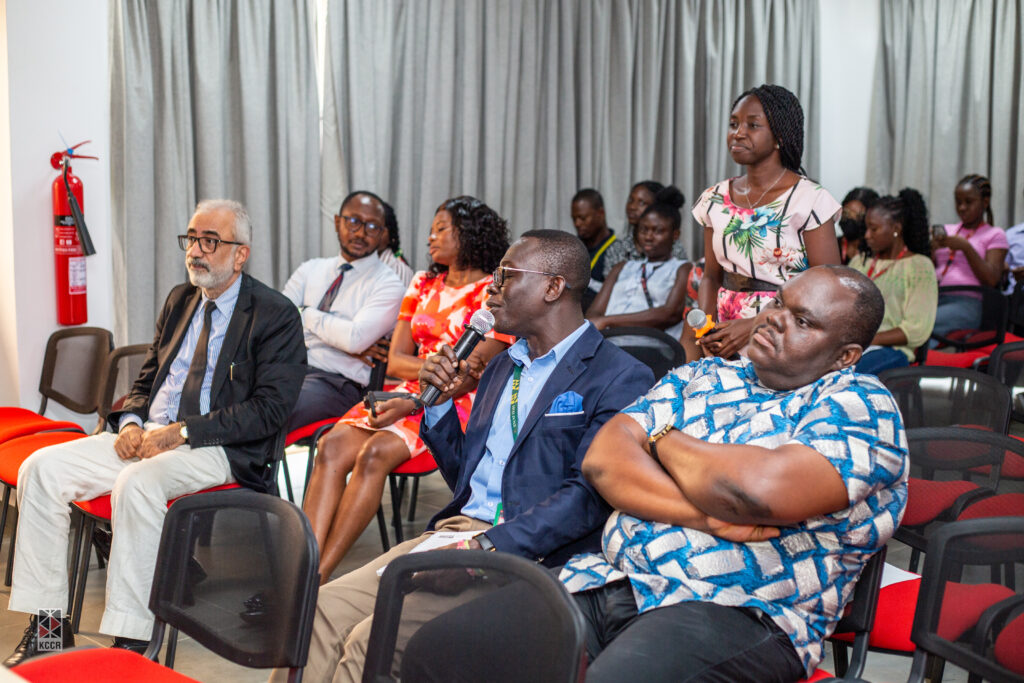
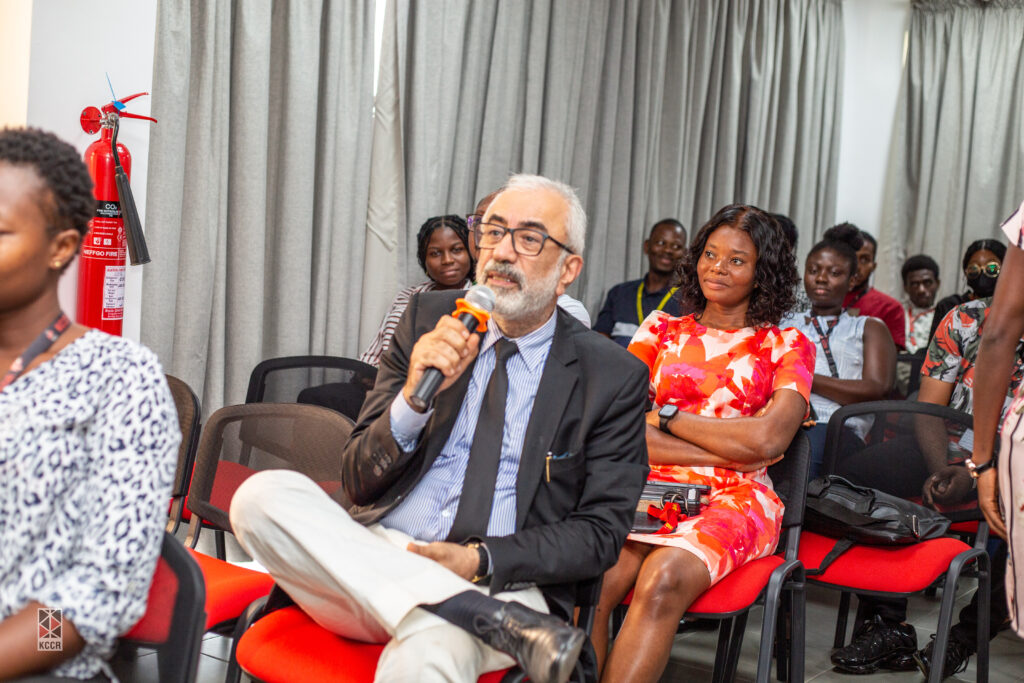
Dr. Adankwah further outlined Ghana’s contribution to global TB research through ongoing studies that explore host immune responses and their application in developing reliable biomarkers. He stressed the importance of translating these findings into practical, context-specific diagnostic algorithms that can be effectively implemented within healthcare systems.
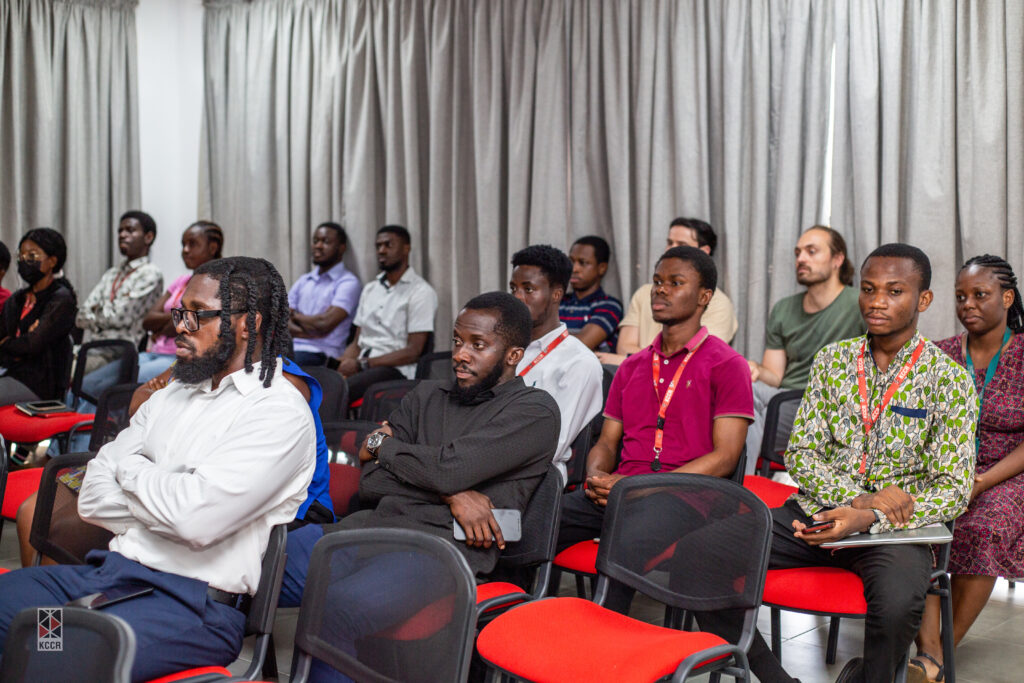
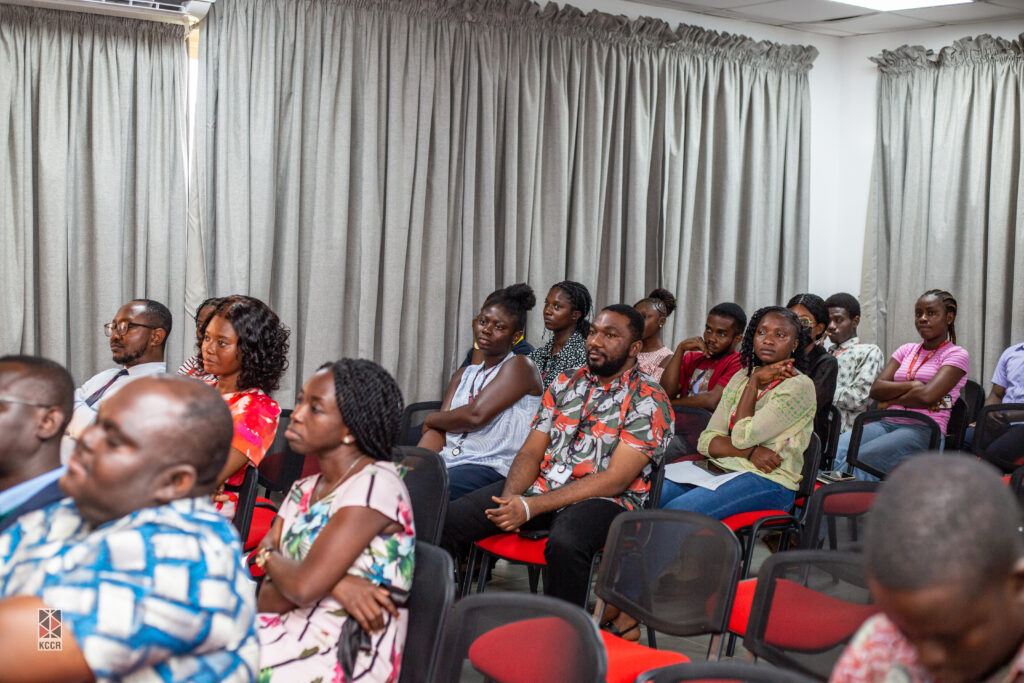
The seminar brought together researchers, students, and staff, fostering engaging discussions on the future of TB diagnostics and the role of interdisciplinary research in addressing public health challenges.
Through this seminar, KCCR reaffirmed its commitment to advancing cutting-edge research, strengthening capacity, and contributing to national and global efforts to end tuberculosis.