
Snakebite remains one of Ghana’s most neglected but preventable public health emergencies, despite causing significant deaths, disabilities, and long-term socioeconomic hardship, particularly in rural communities.

This was the key message at a Public Lecture on “Snakebite and Global Health” hosted by the Global Health and Infectious Diseases Research Group (GHID) at the Kumasi Centre for Collaborative Research in Tropical Medicine (KCCR).
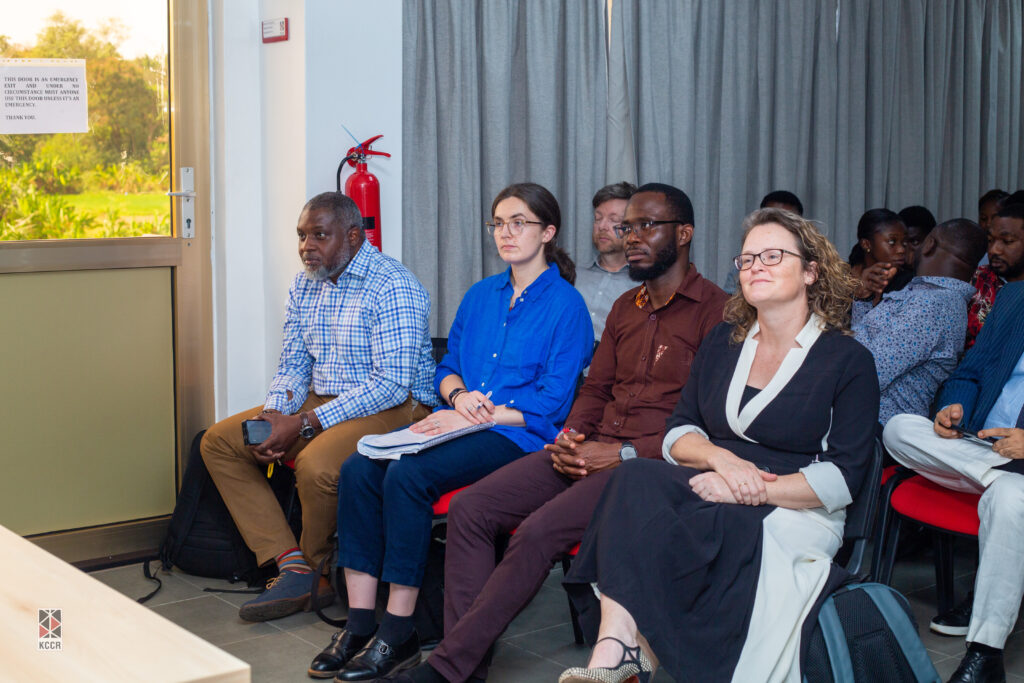
Chaired by John Amuasi, Professor of Global and International Health at Kwame Nkrumah University of Science and Technology (KNUST), and Ymkje Stienstra, Professor of Tropical Medicine and Infectious Diseases at the Liverpool School of Tropical Medicine (LSTM), the lecture brought together experts in epidemiology, emergency medicine, and clinical drug development to examine snakebite from a One Health and health systems perspective, highlighting why timely care, correct treatment, and innovation are critical to saving lives.

A silent but widespread burden
Presenting on the epidemiology and socio-cultural drivers of snakebite, Mawuli Leslie Aglanu, a research fellow with GHID, noted that snakebite incidence in Ghana is far higher than commonly perceived, with some regions recording alarmingly high rates.
“Snakebite is not rare in Ghana. In some regions, it is highly prevalent, yet it remains under-recognised because it primarily affects rural and underserved populations,” he said.
He explained that beyond mortality, snakebite often results in permanent disability, including amputations, deformities, and chronic wounds, which significantly affect livelihoods.
“The consequences of snakebite extend beyond the hospital. Survivors often face lifelong physical, psychological, and economic challenges,” he added.

Delay, not lack of knowledge, is the real killer
Delivering a practical clinical perspective, Joseph Bonney, Emergency Medicine Specialist at Komfo Anokye Teaching Hospital and a member of GHID-KCCR, stressed that most snakebite deaths are avoidable.
“Snakebite deaths are rarely due to lack of medical knowledge or treatment options. People die because they arrive late, after harmful first aid practices and delays in referral,” he explained.
He cautioned against common misconceptions such as the use of black stones, tourniquets, incisions, herbal remedies, or alcohol.
“Nothing applied outside the body can remove venom inside the body. These practices delay care and often worsen the injury,” Dr Bonney emphasised.
He advocated for a syndromic approach to management, where clinicians treat patients based on symptoms rather than attempting to identify the snake species.
“In most cases, the snake is not seen. What matters is recognising the clinical syndrome early and acting quickly,” he said.
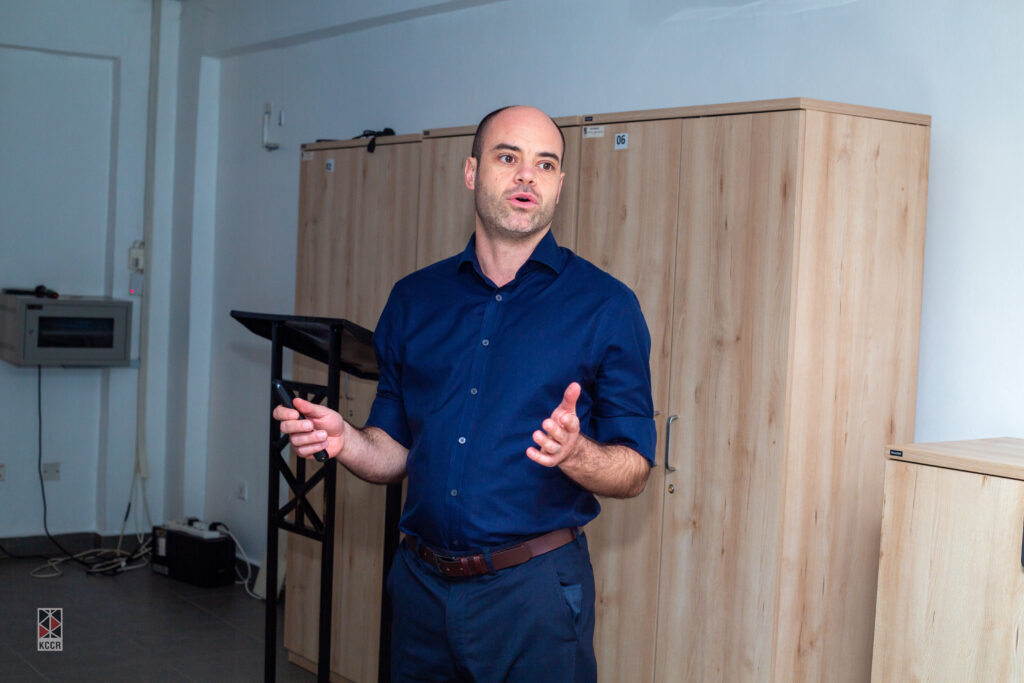
Innovating beyond traditional antivenom
The lecture also explored emerging solutions to longstanding challenges in snakebite treatment. Michael Abouyannis, a clinical researcher, presented ongoing work on orally administered snakebite therapeutics designed to complement antivenom.
“Antivenom remains essential, but it is not always accessible in rural settings. Our aim is to develop treatments that can be given early, even before patients reach hospital,” he explained.
He highlighted promising oral drugs that are stable at room temperature and could reduce venom-related damage in the critical early hours following a bite.
“These therapies are about buying time, keeping patients alive and stable long enough to access definitive care,” he said.
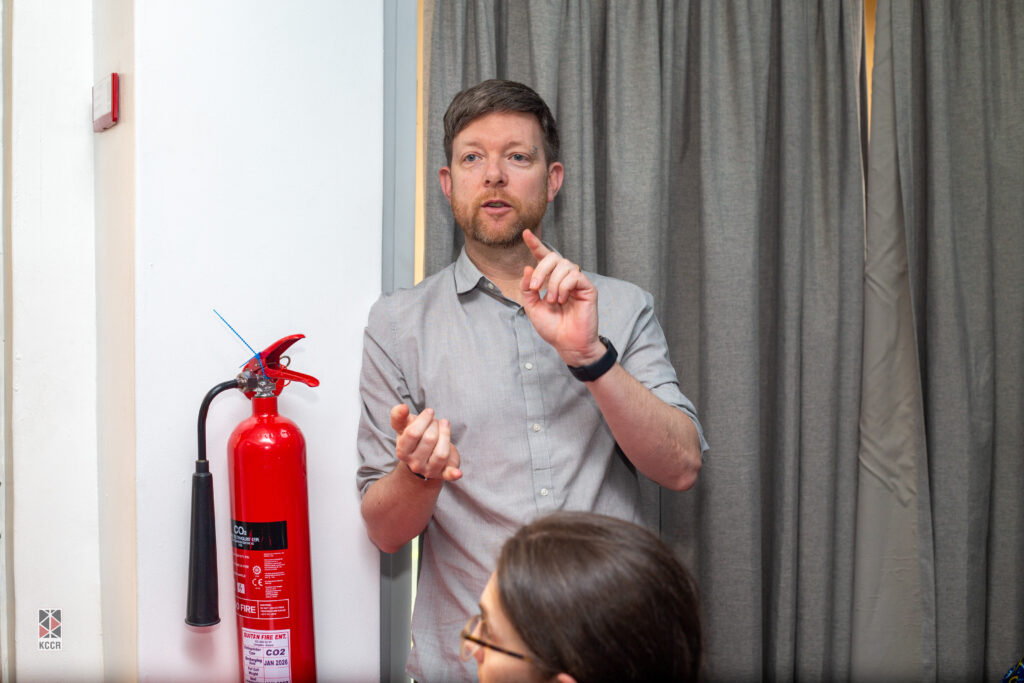





The lecture concluded with an interactive question-and-answer session, during which participants engaged the speakers on issues ranging from community awareness and harmful first-aid practices to access to antivenom, health worker training, and the feasibility of emerging oral therapeutics in rural settings.
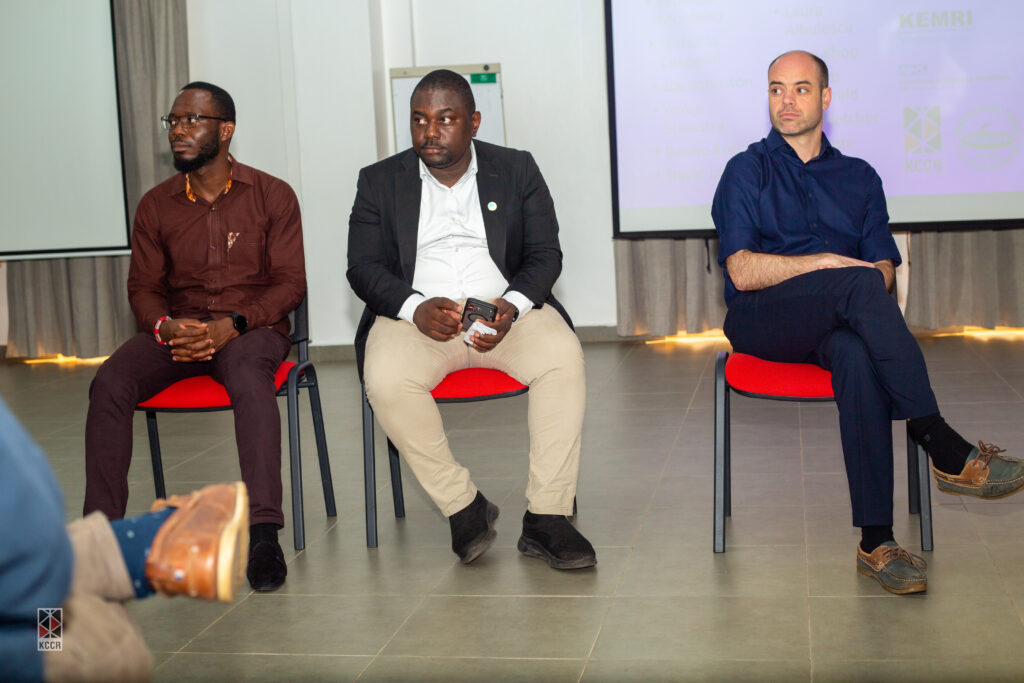
Responding to the questions, the speakers underscored the importance of early presentation to health facilities, strengthened referral systems, and sustained public education to dispel myths surrounding snakebite management. They also highlighted the need for continued research, policy support, and multisectoral collaboration to ensure that innovative treatments translate into improved outcomes for affected communities.

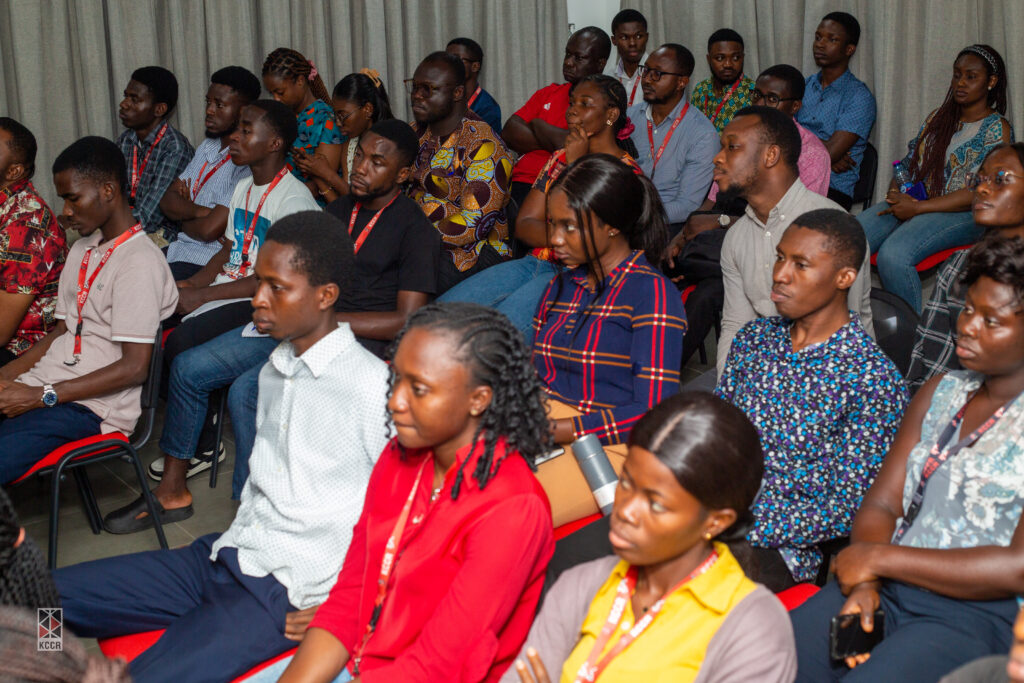


The lecture concluded with a call for stronger collaboration between researchers, clinicians, policymakers, and communities to address snakebite as a priority public health issue. Speakers emphasised that reducing deaths and disability will require improved surveillance, community education, timely referral systems, and sustained investment in research and innovation.
As a leading centre for infectious disease research in West Africa, KCCR, working closely with KNUST and international partners, continues to play a critical role in advancing evidence-based solutions that bridge science, clinical care, and public health practice. The discussions reaffirmed Ghana’s growing contribution to global efforts aimed at transforming snakebite prevention, treatment, and care for the most vulnerable populations.