The primary focus of the Molecular Diagnostics group at KCCR is the development of various approaches for faster and more targeted diagnostics of endemic and emerging diseases. This effort utilizes high-throughput sequencing and other functional genomics technologies to understand the biology and genomic diversity of bacteria, fungi, and parasitic protists that significantly impact human health.
The research team has expertise that will focus specifically on developing diagnostic platforms and conducting pathogen genomics studies on endemic and emerging diseases. Our team also intends to provide a crosscutting platform to collaborate with groups within and outside KCCR. Our main field of interest is:
African One Health Network for Disease Prevention (ADAPT).
Though African institutions have demonstrated the capacity to identify and control outbreaks of communicable diseases, communicable disease prevention and management – particularly concerning antimicrobial resistance (AMR, a predominant global health threat) and neglected tropical diseases (NTDs), as well as to NTD co-infections and drug-resistant bacteria – remain a significant challenge across sub-Saharan Africa (the region with the highest AMR burden in the world). To best understand and address AMR, it is necessary to trace the linkages and transmission among humans, animals, and the environment via a One Health approach. The mission of this project is to build capacity across seven countries in sub-Saharan Africa, improving the management of AMR and NTDs, and enhancing the stewardship of antimicrobials through a One Health approach, in partnership with state, local, and regional stakeholders.
For more information, visit https://adaptonehealth.net/
African Postdoctoral Training Initiative (APTI).
The African Postdoctoral Training Initiative (APTI) project employs an integrated multi-omics strategy to generate a comprehensive understanding of wound healing dynamics. This approach integrates metagenomics, transcriptomics, proteomics, and metabolomics to characterize both host and microbial contributions to the healing process, as well as the molecular mechanisms underlying host-microbe interactions. By systematically linking microbial community structure and function with host immune and tissue-repair pathways, this project aims to identify biomarkers of slow and fast-healing skin ulcers.
The ultimate goal of this investigation is to enable evidence-based and targeted therapeutic strategies for patients with chronic skin ulcers to improve clinical outcomes and quality of life.
MULTISKIN Project.
This project is in two Phases. The first (Phase 1) involves the development and independent testing of singleplex assays of each of the five Skin NTDs using DNA extracts from clinical isolates, with an intermediate step of multiplexing all five singleplex assays for Phase 2, which will entail the evaluation of developed multiplex assays in both clinical and field settings of endemic sites.
It is expected that the deployment of this innovative multiplex diagnostic technology would enable rapid and effective diagnosis of skin NTDs at peripheral health settings and aid in the expansion of case detection and treatment coverage of multiple skin NTDs in endemic settings at the point of care and need.
Dr Michael Frimpong – Principal Investigator
Prof Richard O. Philips – Co-Investigator
Dr Yaw Amoako Ampem- Co-Principal Investigator
Mrs. Rita Nartey Frimpong – Project Manager
Samuel Kekeli Agordzo- Research Associate/PhD Student
Louis Kyei-Tuffuor-PhD Student
Venus Frimpong-Research Associate
Angela Krobea Asante-Masters Student
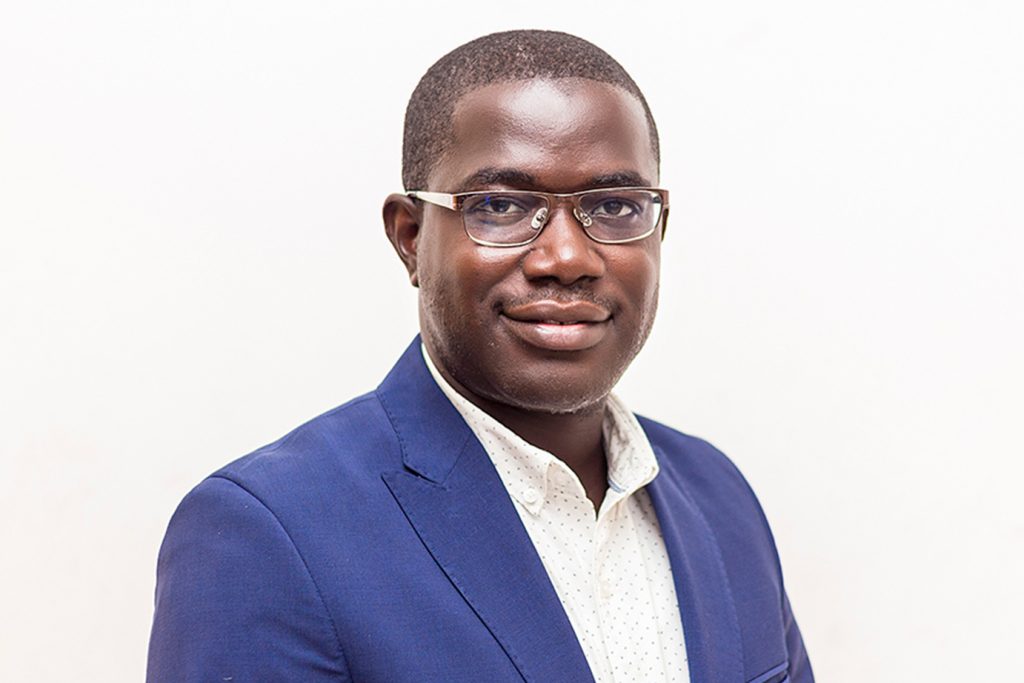
Principal Investigator
Dr. Micheal Frimpong
Phone:
E-Mail: mfrimpong28@gmail.com

Co-Investigator
Prof. Richard O. Phillips
Phone: +233 209140451
E-Mail: phillips@kccr.de

Co-Principal Investigator
Dr. Yaw Ampem Amoako
Phone: +23324 4858075
E-Mail: y.amoako@kccr.de



South-end Asuogya Road,
KNUST, Kumasi
Ghana
GPS: AK-312-1059
Monday – Friday
8am – 5pm
Monday – Sunday
8am – 5pm
KUMASI CENTRE FOR COLLABORATIVE RESEARCH IN TROPICAL MEDICINE
Copyright © 2026. All rights reserved