The Infectious Disease Epidemiology Research Group (IDERG) at the Kumasi Centre for Collaborative Research in Tropical Medicine (KCCR has secured support for the RAMP Project, which is advancing a promising new approach to malaria treatment and transmission control.
The project, “Ravidasvir to Control the Emergence and Spread of Artemisinin Resistance in Africa: Phase II and III Clinical Trials,” also known as the Ravidasvir Against Malaria Parasites (RAMP Project), is advancing the development of ravidasvir, an existing antiviral drug originally developed to treat hepatitis C virus (HCV).
Artemisinin combination therapies (ACTs) are among the most effective treatments for malaria. However, malaria parasites are becoming less sensitive to artemisinin-based medicines in part of Africa, raising concerns about the long-term effectiveness of these treatments. One approach to addressing this threat is to add a third antimalarial drug to an existing ACT. By combining medicines that work in different ways, triple ACTs could make it more difficult for parasites to develop resistance to treatment.
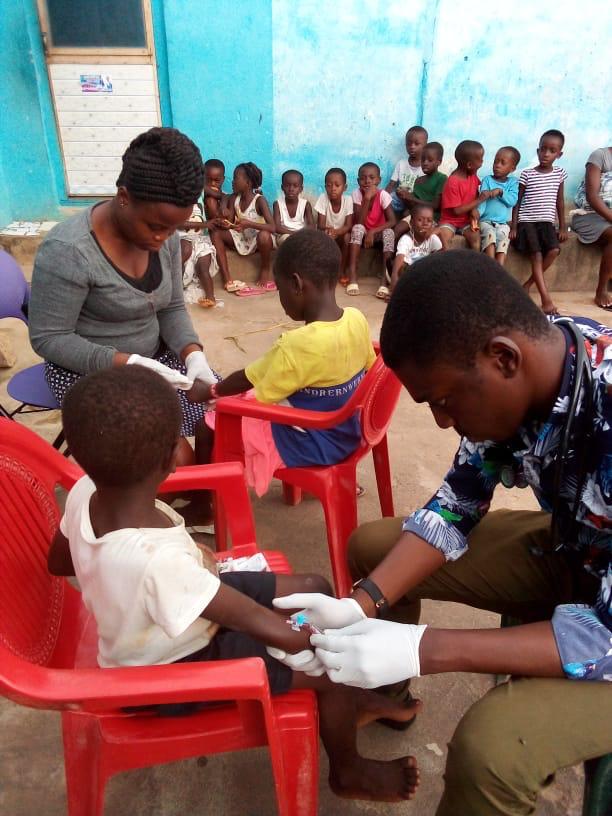
Ravidasvir is particularly promising because, in addition to its activity against malaria parasites, it has the potential to reduce their transmission to mosquitoes. By combining these two potential benefits, the approach could strengthen malaria treatment while helping to slow the spread of artemisinin resistance and malaria transmission.
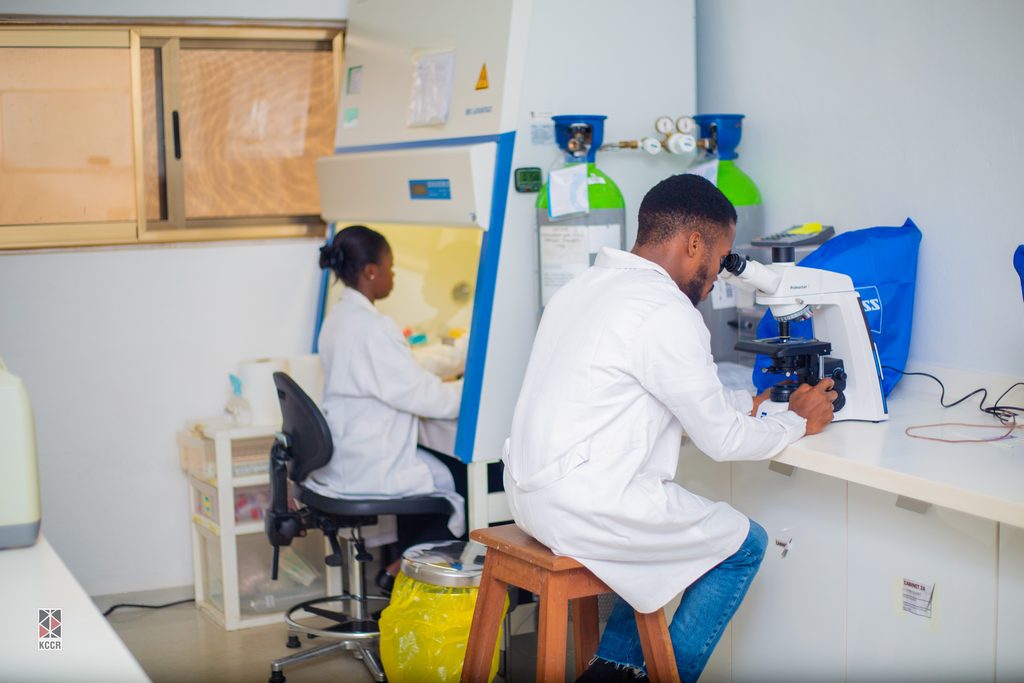
Through a consortium involving 13 partners from Europe and Africa, RAMP will generate the clinical and laboratory evidence needed to assess whether ravidasvir can be incorporated into existing malaria treatments as part of a triple ACT.

“Partial resistance to artemisinin drugs is a growing concern in African endemic countries. RAMP brings together an innovative treatment strategy with the potential to not only strengthen malaria treatment but also reduce parasite transmission. Through our scientific leadership, laboratory analysis and capacity strengthening across the participating sites, KCCR will contribute to generating the evidence needed to advance ravidasvir as a potential addition to existing malaria treatments.”
Dr Oumou Maïga-Ascofaré, Group Lead of the Infectious Disease Epidemiology Research Group at KCCR
The RAMP Project brings together international efforts to develop new tools for protecting the effectiveness of antimalarial treatments while contributing to the longer-term goal of reducing malaria transmission in African communities.
The project is supported by Global Health EDCTP3 and its members. This work is part of the Global Health EDCTP3 Joint Undertaking under grant number 101248869-RAMP and is co-funded by the European Union.
COORDINATOR
Institut National de la Santé et de la Recherche Médicale (INSERM), France
SCIENTIFIC LEADERSHIP
Kwame Nkrumah University of Science and Technology, Kumasi Centre for Collaborative Research in Tropical Medicine (KNUST/KCCR), Ghana
PARTNER INSTITUTIONS
- Universite des Sciences, des Techniques et des Technologies de Bamako; Parasites and Microbes Research and Training Center (USTTB/PMRTC), Mali
- Pathogen genomic Diversity Network Africa (PDNA), Mali
- EPICENTRE, France
- EPICENTRE Mbarara Research Centre (EMRC), Uganda
- PHARCO Pharmaceuticals, Egypt
- Eberhard Karls Universitaet Tübingen (UT), Germany
- Universitatsklinikum Heidelberg (UKHD), Germany
- Institut de Recherche pour le Développement (IRD), France
- Centre national de la recherche scientifique (CNRS), France
- Centre de Recherches Médicales de Lambaréné (CERMEL), Gabon
- Ghana Health Service (GHS), Ghana
Through this participation in the RAMP Project, KCCR continues to strengthen its contribution to cutting-edge malaria research and the development of innovative solutions to major infectious disease challenges in Africa.
Disclaimer
Funded by the European Union under Global Health EDCTP3. Views and opinions expressed are, however, those of the author(s) only and do not necessarily reflect those of Global Health EDCTP3 nor its members. Neither of the parties can be held responsible for them.
More information