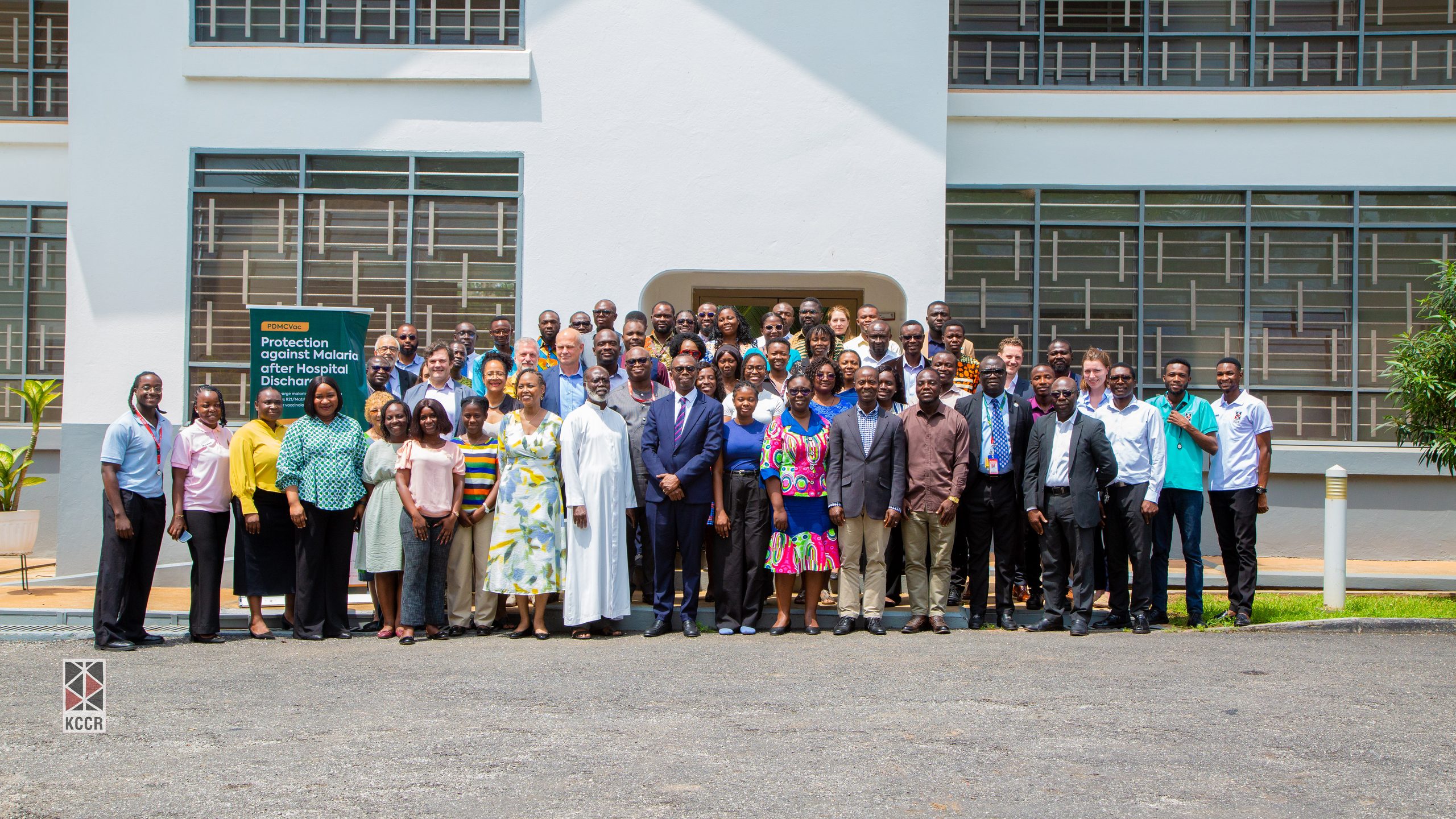
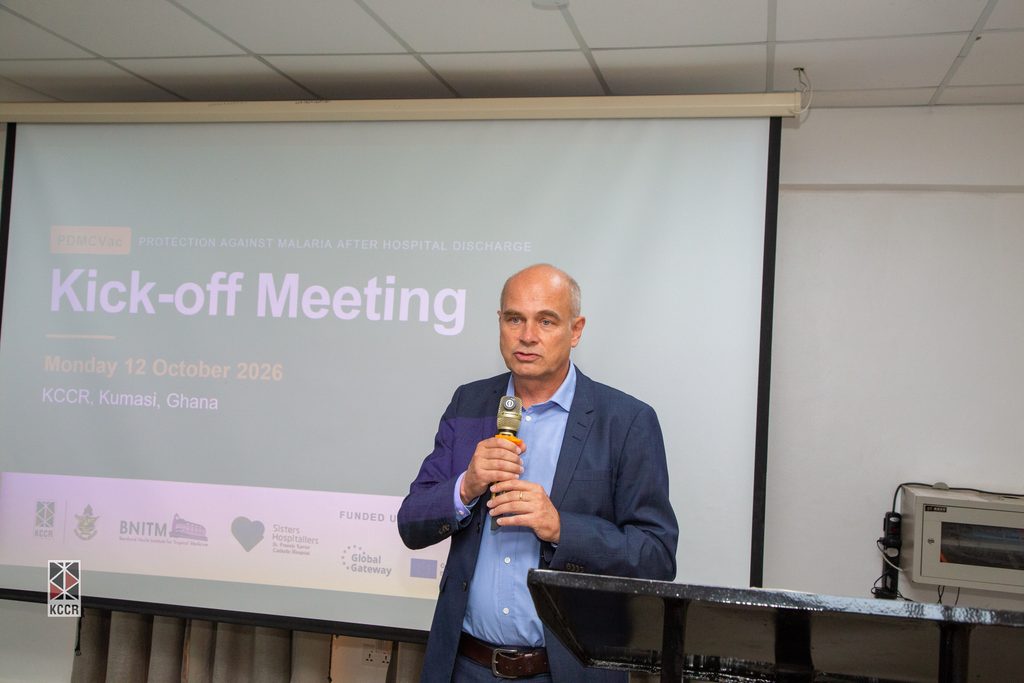
The Infectious Disease Epidemiology and Research Group (IDERG) at the Kumasi Centre for Collaborative Research in Tropical Medicine (KCCR) officially launched the PDMCVac Project on 12 October 2026 in Kumasi, Ghana, during a kick-off meeting featuring a four-day Basic Vaccinology Course.
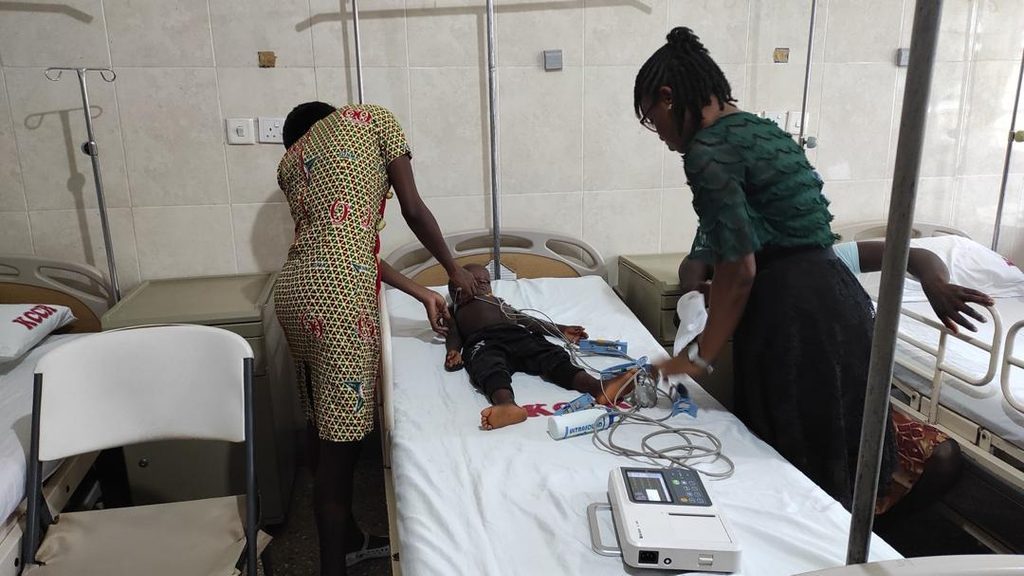
Many children in Ghana are admitted to hospital with severe malaria or severe anemia. For these children, going home is not the end of the danger: in the weeks and months after discharge, many fall ill again, and some die. Post-discharge malaria chemoprevention (PDMC), a monthly course of dihydroartemisinin-piperaquine for three months, reduces readmission and death, but only while it is taken. Once the course ends, the risk returns. At the same time, the R21/Matrix-M™ malaria vaccine is delivered to infants through the routine immunization programme, and older children discharged after severe illness have no structured way to receive it.
PDMCVac brings the two together. The drug protects children through the most vulnerable weeks after discharge, while the vaccine, given at the same time, builds immunity intended to last beyond chemoprevention. Whether children recovering from severe illness mount a good immune response to the vaccine, and whether it is safe to give it together with PDMC, has never been studied.
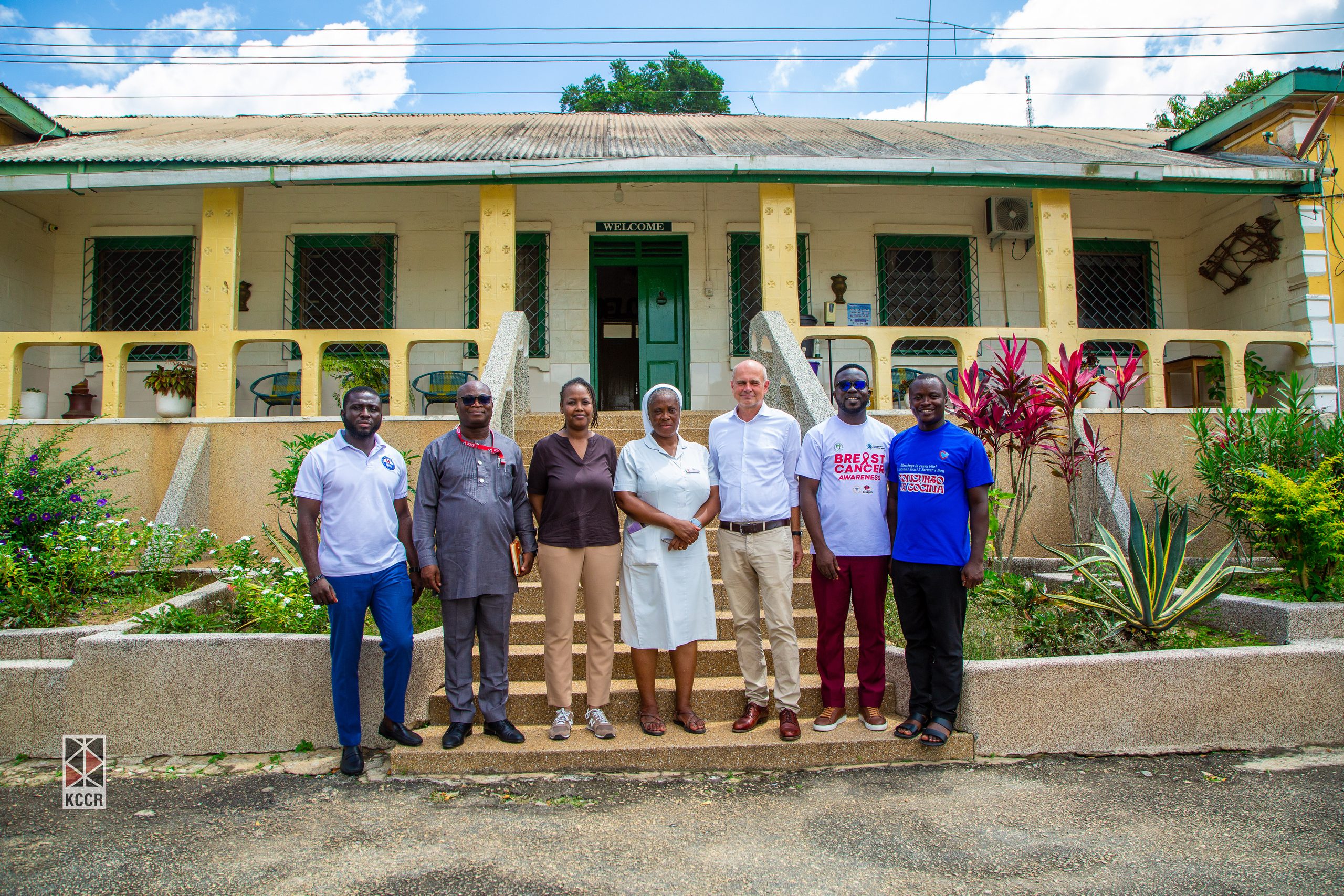
The PDMCVac project is a Phase IIb, open-label, randomised clinical trial investigating an integrated approach to malaria prevention in children aged 6–60 months. The study combines post-discharge malaria chemoprevention (PDMC) with the R21/Matrix-M™ malaria vaccine, with the aim of exploring how these interventions can work together to strengthen malaria prevention among young children. The study will enroll 150 children at St. Francis Xavier Hospital in Assin Foso, Ghana, and aims to generate valuable scientific evidence on this combined approach to malaria prevention.

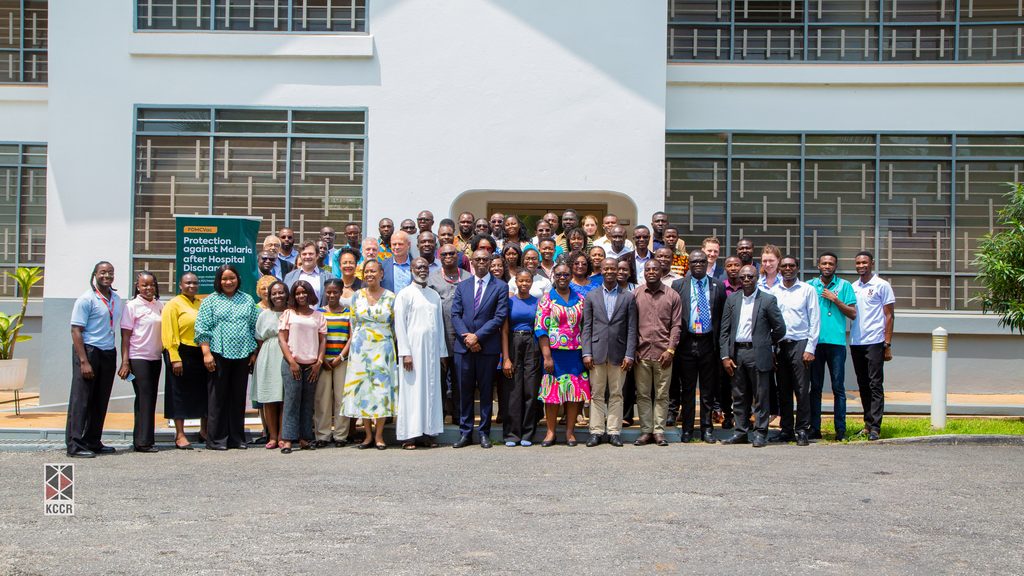
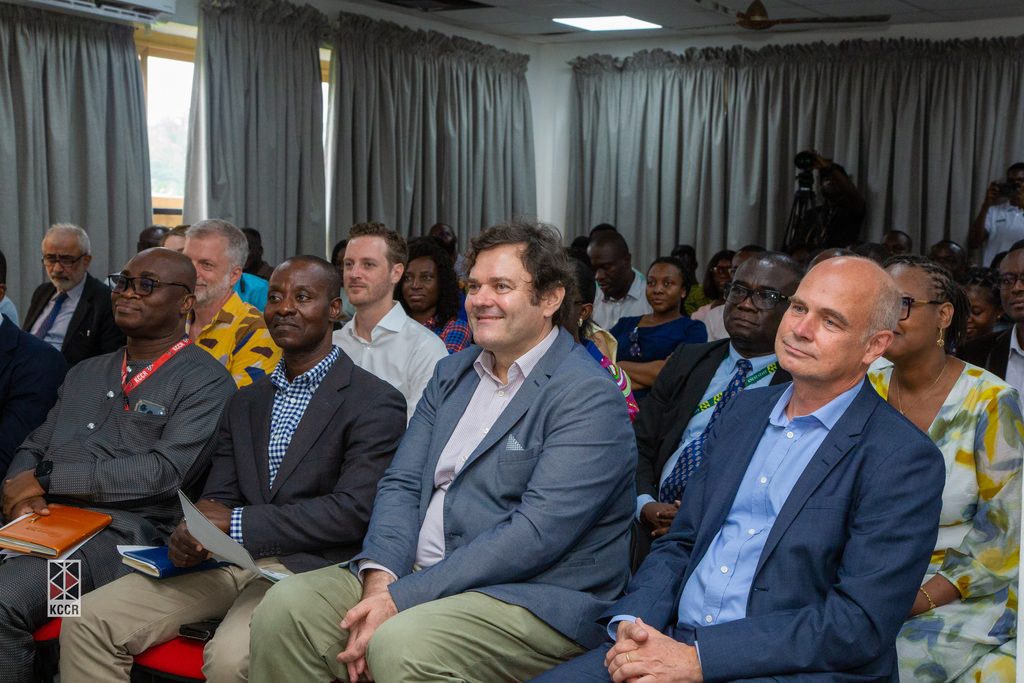
The project was formally launched by Prof. Fred Stephen Sarfo, Provost of the College of Health Sciences, Kwame Nkrumah University of Science and Technology (KNUST) along with Dr Robin Kobbe the Principal investigator for the PDMCVac Project, Germany and Dr Oumou Maiga-Ascofare the the Principal investigator for the PDMCVac Project, Ghana. The kick-off meeting brought together institutional leaders, researchers, clinicians, public health stakeholders, and project partners from organisations including the World Health Organization (WHO), the Food and Drugs Authority (FDA), the Ghana Health Service (GHS), Kwame Nkrumah University of Science and Technology (KNUST), the Bernhard Nocht Institute for Tropical Medicine (BNITM), the Jenner Institute at the University of Oxford, and the Robert Koch Institute (RKI).

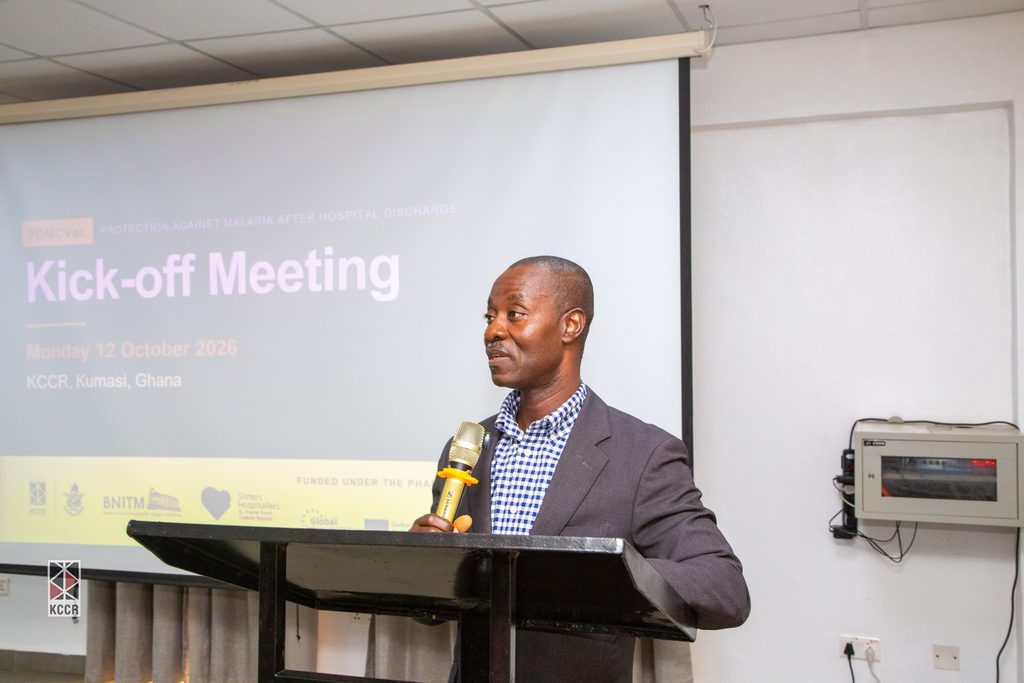
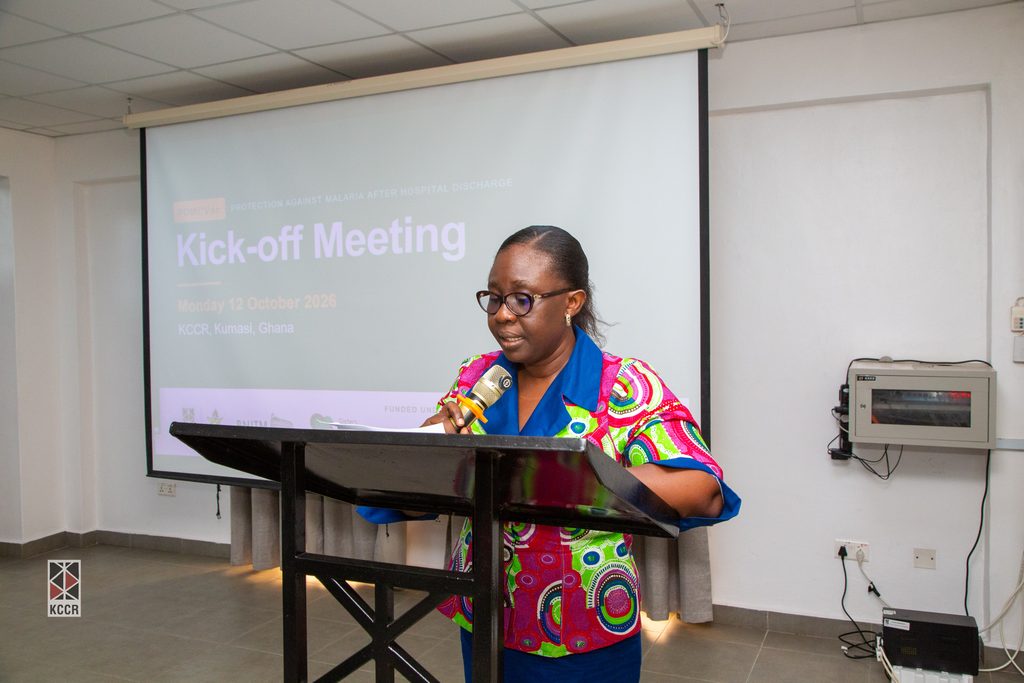

Among the distinguished participants were Prof. Alexander Yaw Debrah, Scientific Director of KCCR; Prof. Jürgen May, Chair of BNITM; Dr. Michael Rockson Adjei of WHO Accra; Dr. Akosua Gyimah Omari-Sasu of the Ashanti Regional Health Directorate; and Prof. Fred Stephen Safo, Provost of the College of Health Sciences at KNUST.
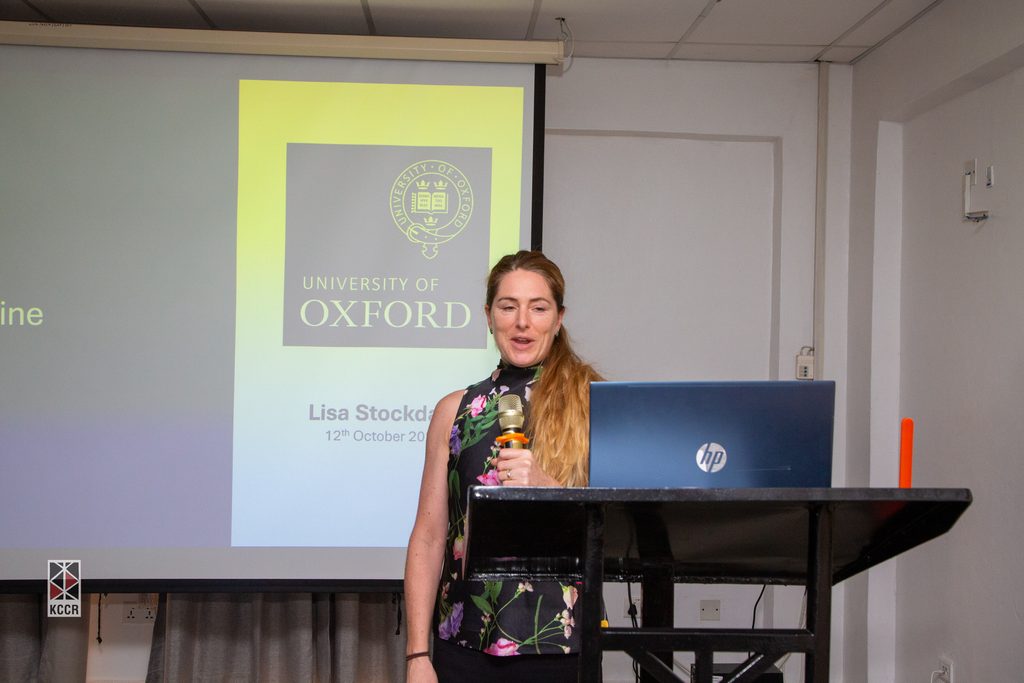
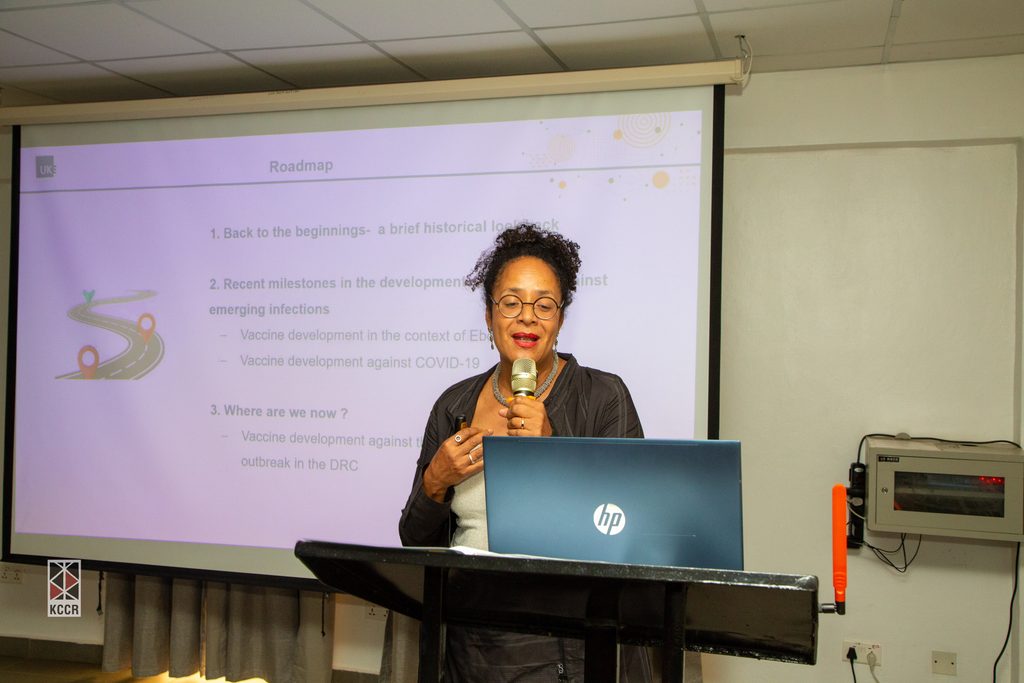
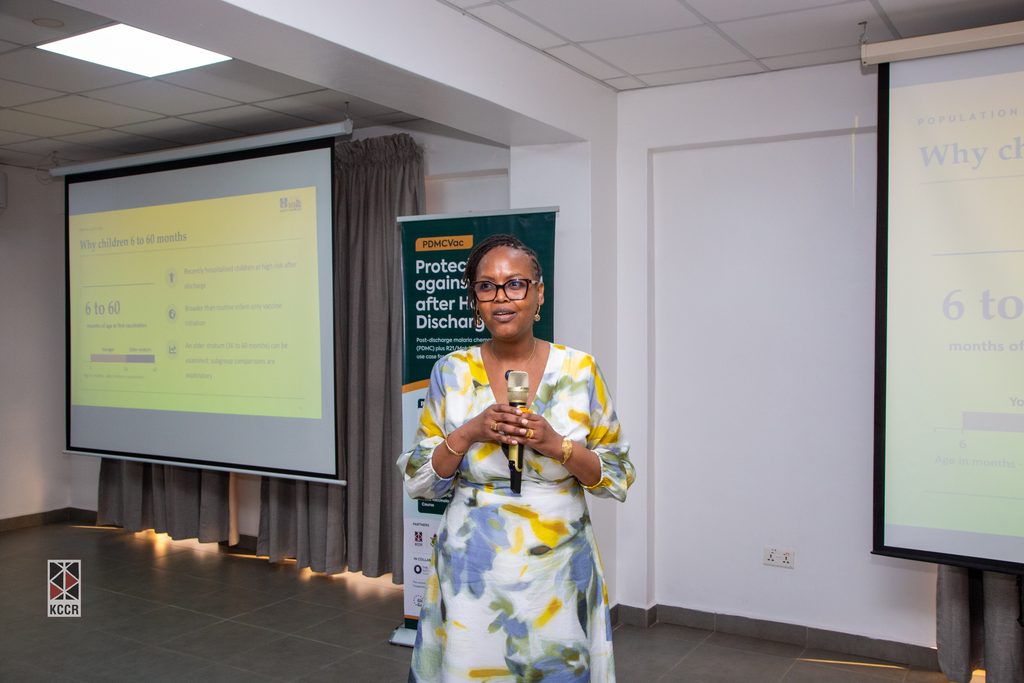
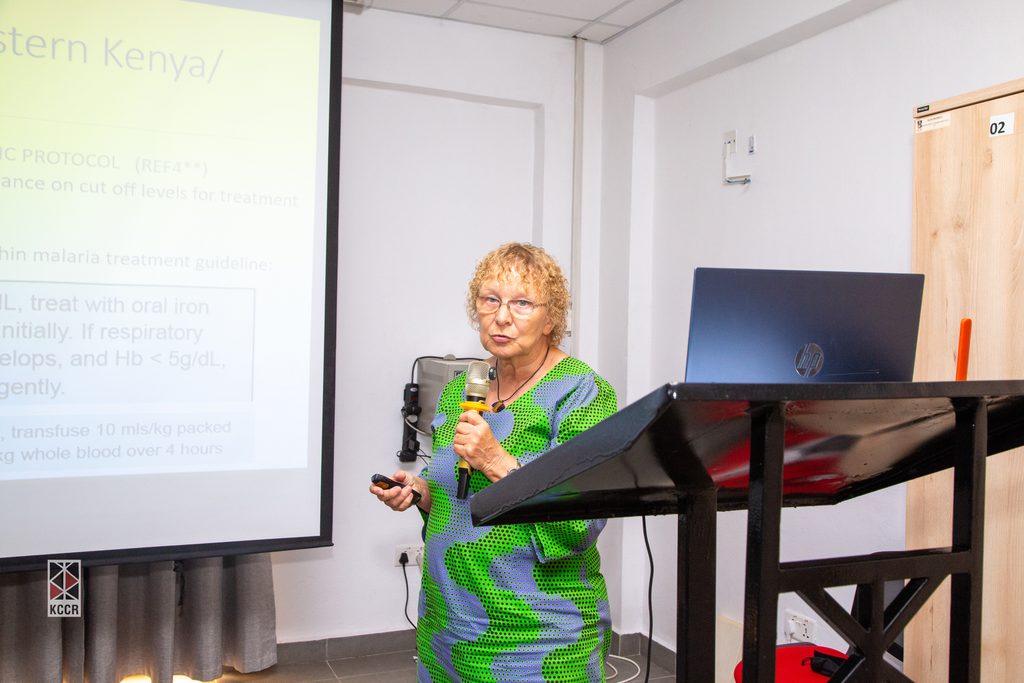
The first day featured keynote lectures delivered by Prof. Marylyn Addo Institute for Infection Research and Vaccine Development, at the University Medical Center Hamburg-Eppendorf (UKE), Germany, Dr. Lisa Stockdale of the Jenner Institute, Dr Martina Oneko of the Kenya Medical Research Institute and Dr. Oumou Maïga-Ascofaré, Group Leader of IDERG at KCCR. Their contributions helped set the stage for scientific discussions on vaccinology and the development and evaluation of malaria prevention strategies.


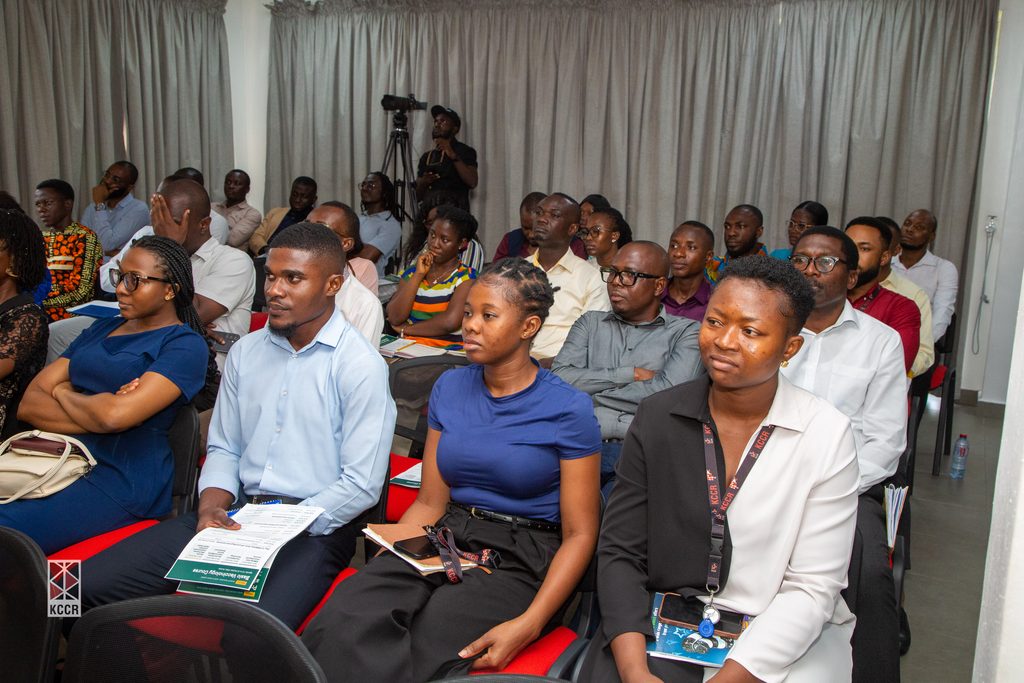
Beyond its scientific objectives, PDMCVac is a platform for strengthening research capacity in Ghana. The kick-off opened a Basic Vaccinology Course held at KCCR from 13 to 15 October 2026. The course drew 290 applications from 34 countries, and 33 participants were selected from health and research institutions across Ghana. Faculty came from Ghana, Germany, the United Kingdom and Kenya. The project also supports two MPhil fellowships at KNUST. Running from 12 to 15 October 2026, the Basic Vaccinology Course covers a range of topics, including the foundations of vaccinology, vaccine clinical trials, malaria vaccine development, vaccine effectiveness, implementation, and public health impact.



PDMCVac is led by KCCR in collaboration with BNITM (Germany) and implemented at St. Francis Xavier Hospital, Assin Foso. It is funded under the PharmaVax Ghana programme, co-funded by the European Union and German Cooperation under the Team Europe Initiative MAV+, with the Government of Ghana, and implemented together with GIZ. As the project moves into implementation, the partners look forward to generating evidence that can inform future malaria prevention efforts in Ghana and beyond.
The launch marks an important step in advancing collaborative research on integrated malaria prevention. Through the PDMCVac project and the accompanying training, IDERG at KCCR continues to foster scientific collaboration and strengthen knowledge in vaccine research, clinical trials, and public health.