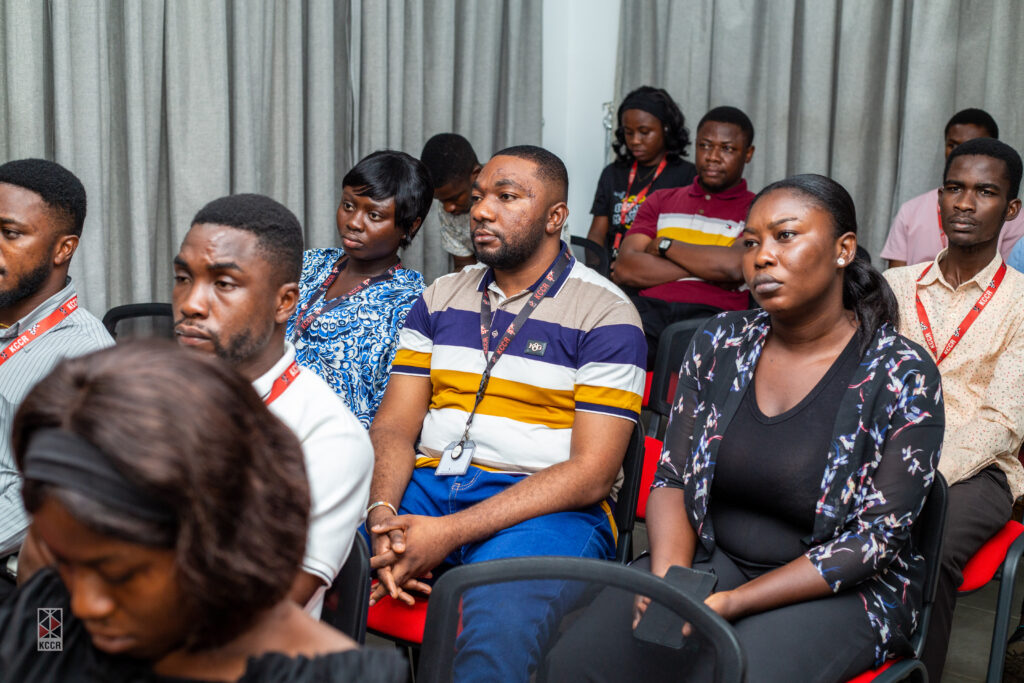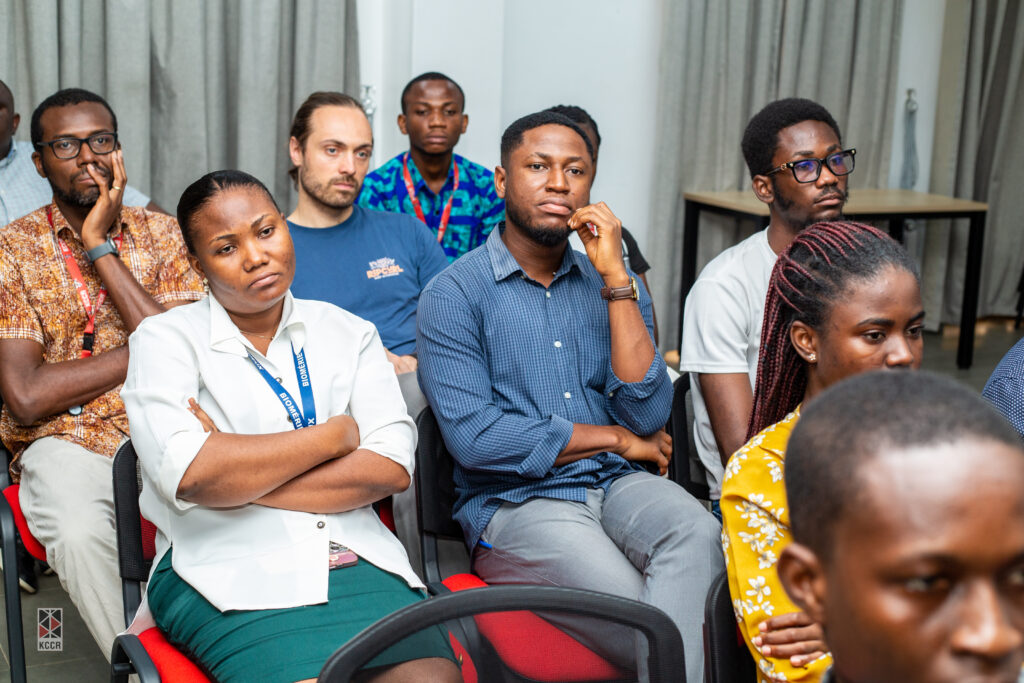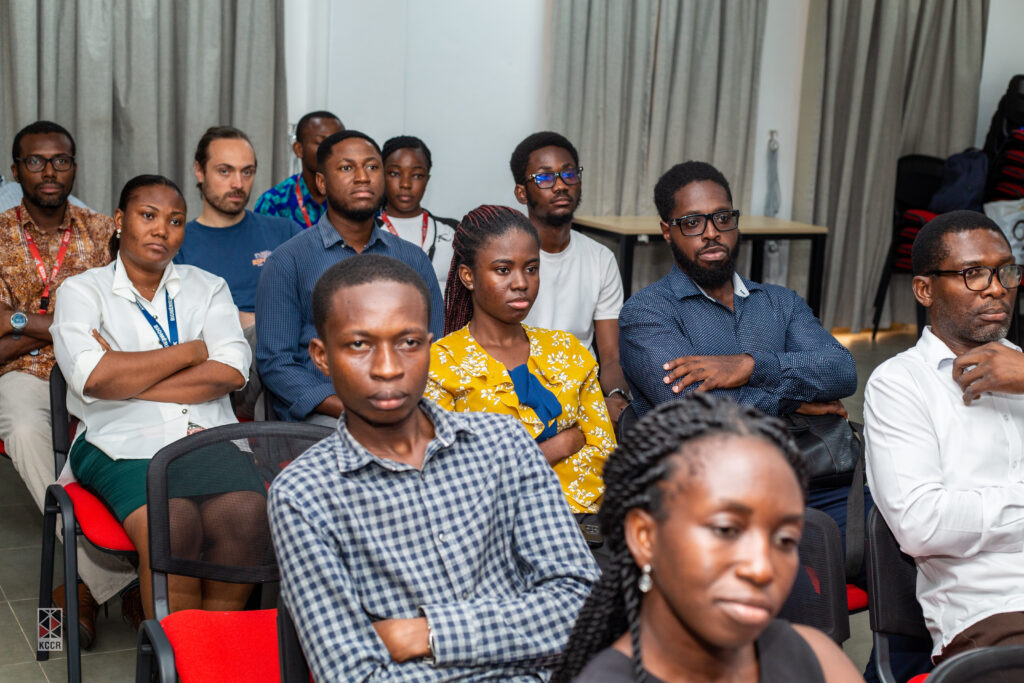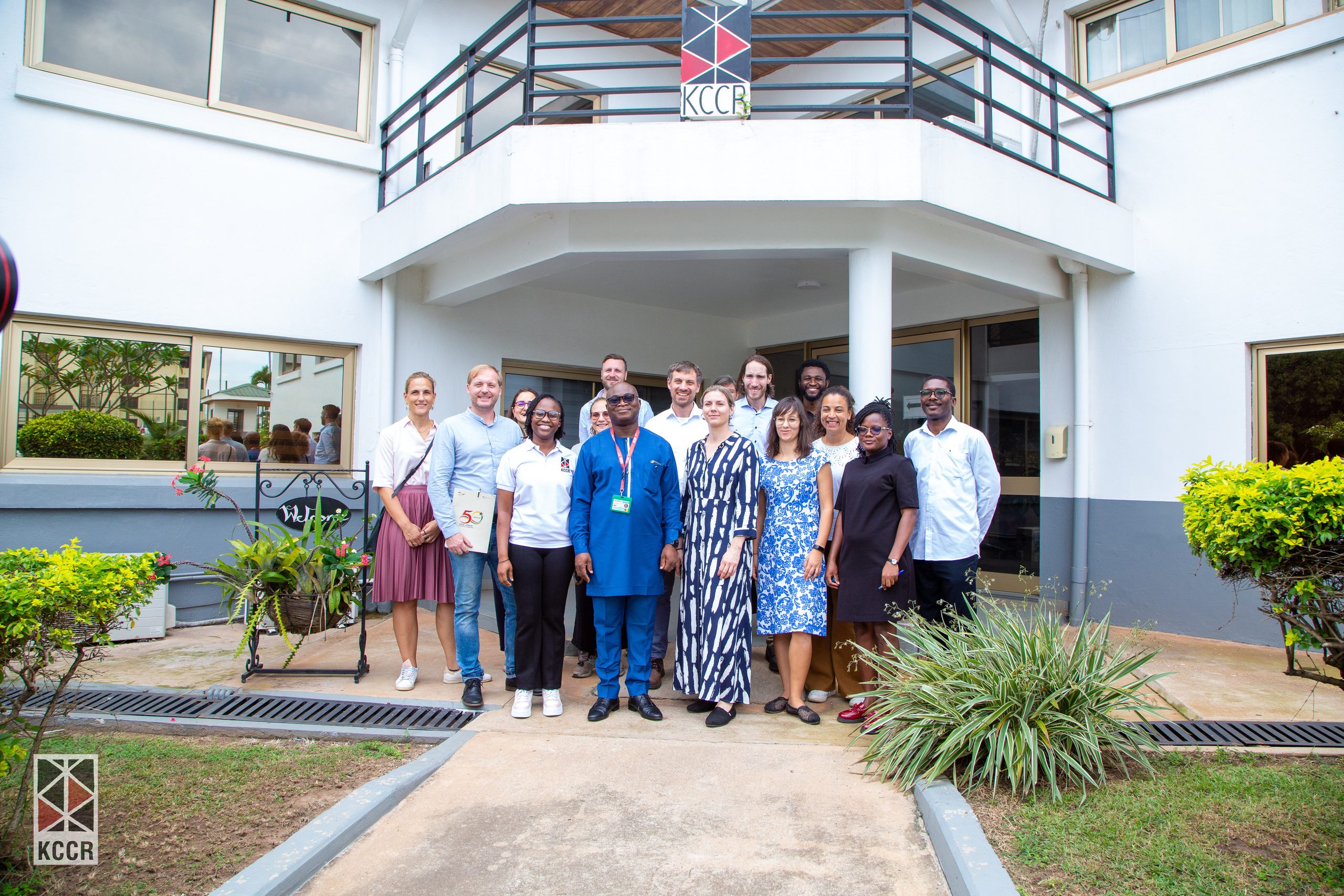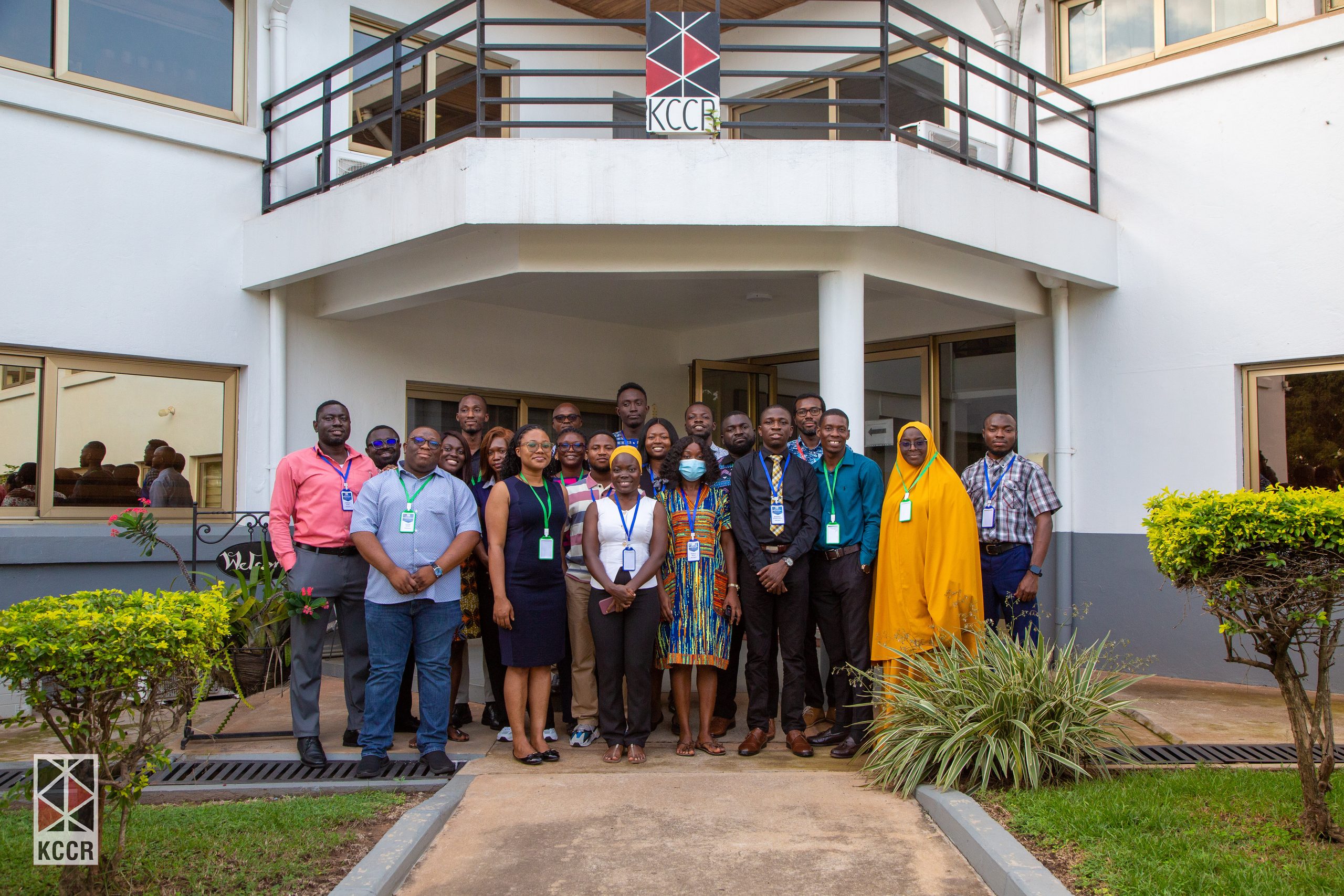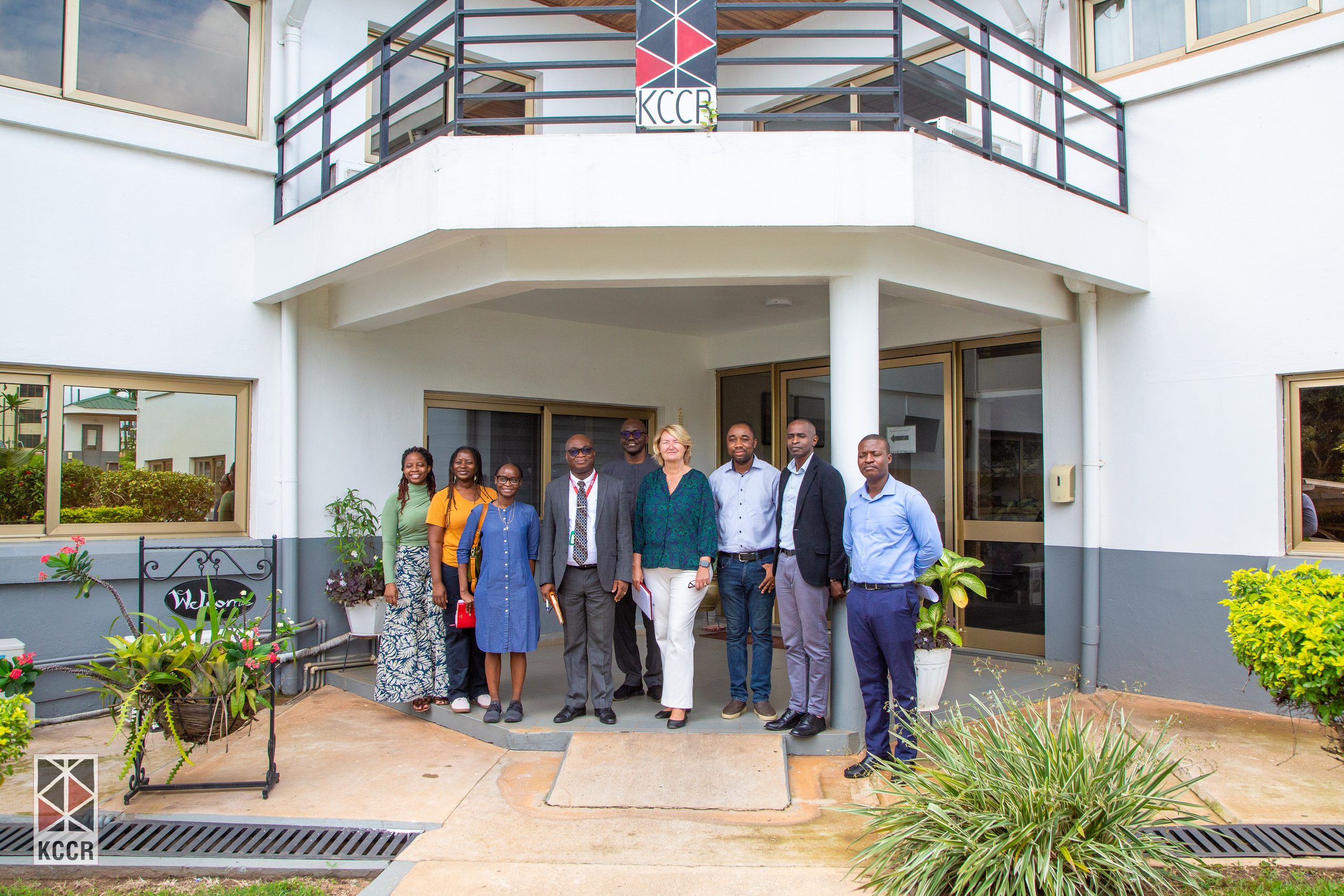
The Kumasi Centre for Collaborative Research in Tropical Medicine (KCCR) hosted a seminar on Wednesday, 4th March 2026, highlighting key research outputs and scientific contributions produced by the Centre over the past five years.

The seminar, delivered by Michael Nkrumah-Appau, a Clinical Microbiologist and Doctoral Researcher at KCCR, provided an overview of the Centre’s research journey, showcasing how collaborative biomedical research continues to advance healthcare knowledge and public health interventions in Ghana and beyond.
Reflecting on KCCR’s Research Journey
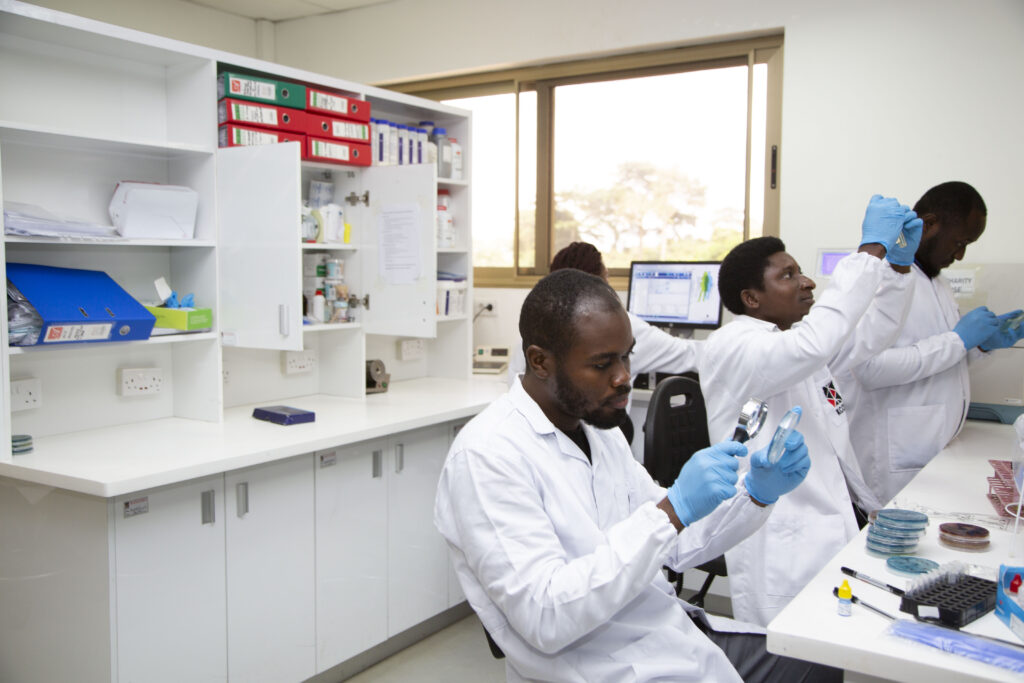
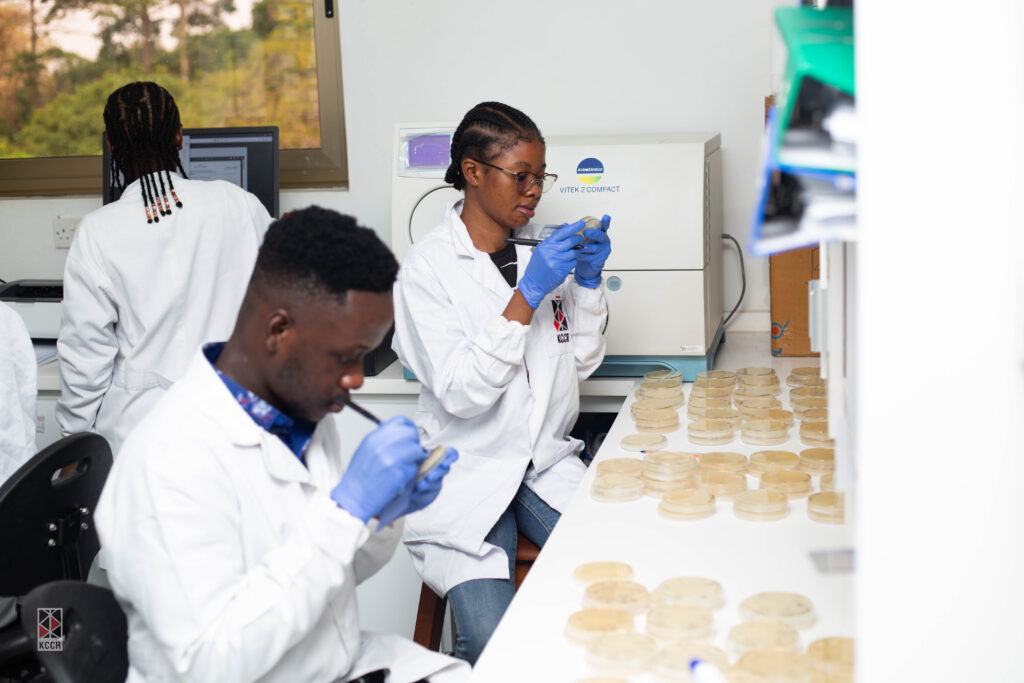
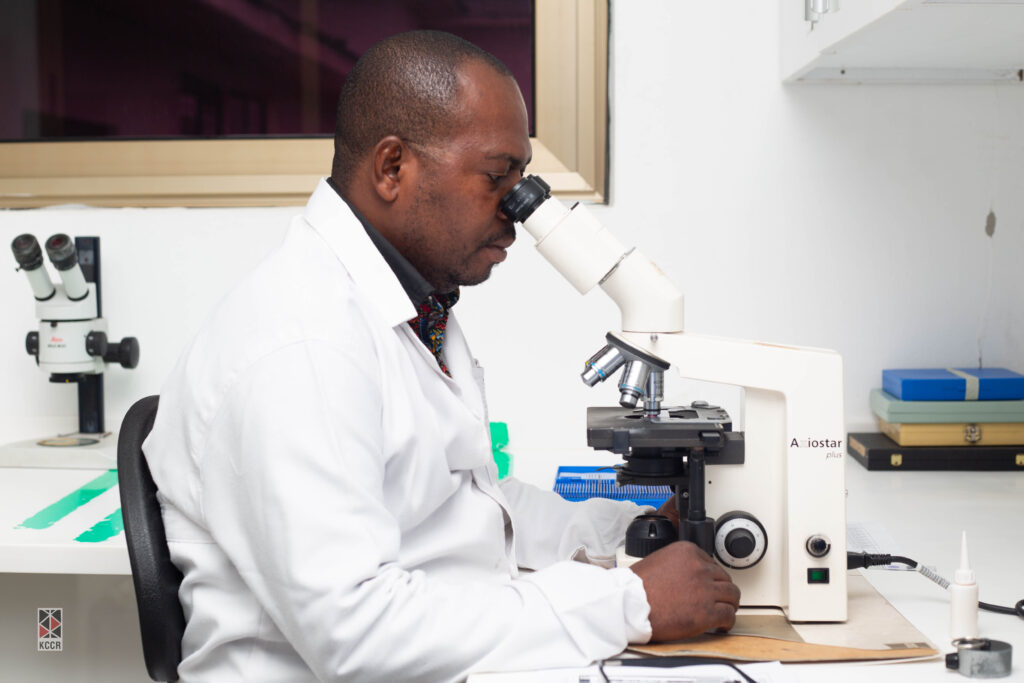
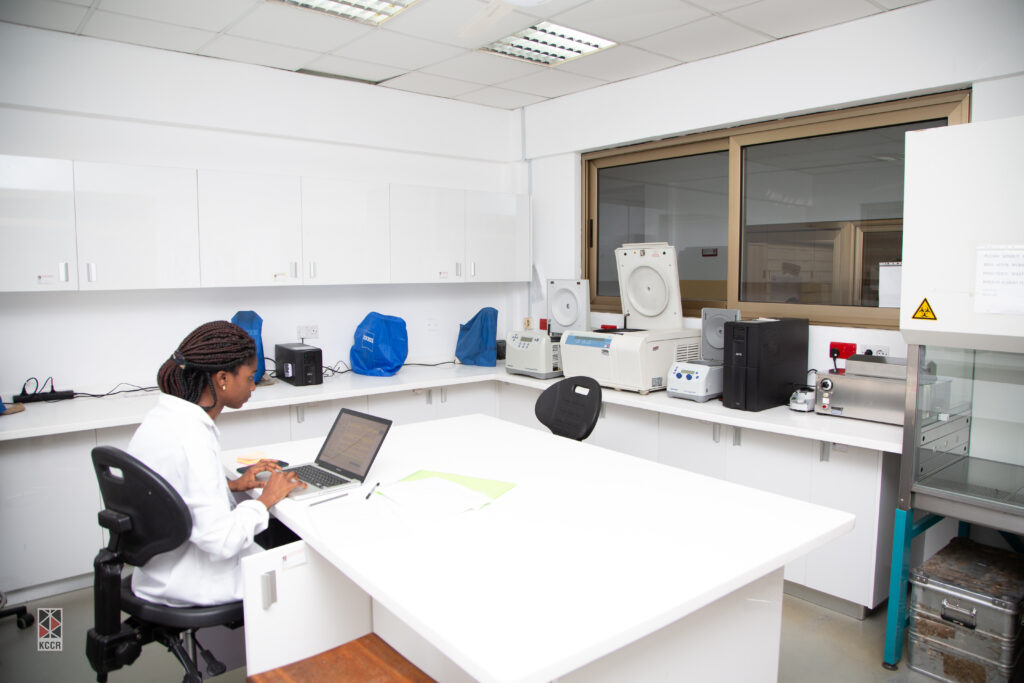
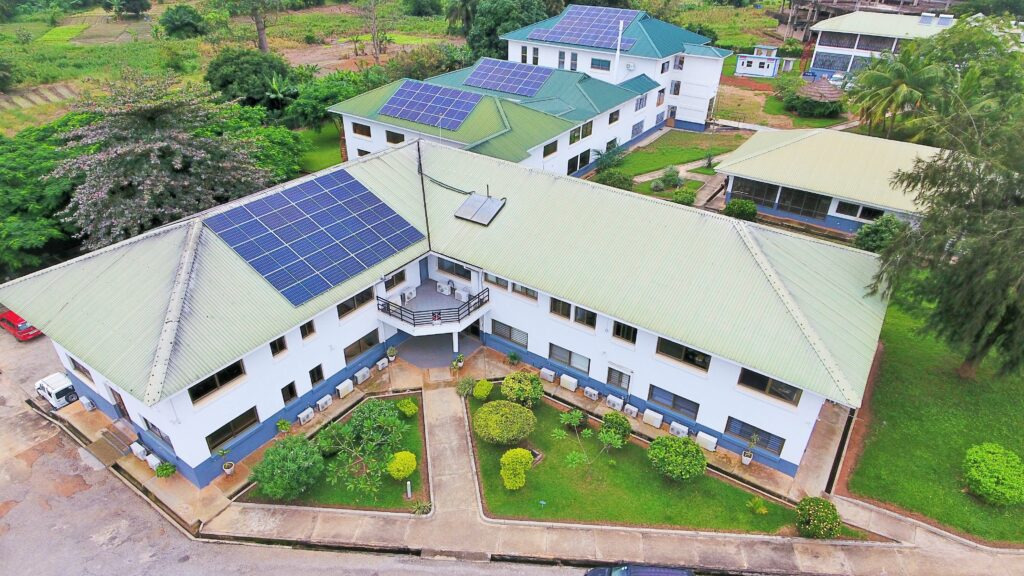
KCCR operates as an international research platform built on collaboration between the KNUST School of Medical Sciences (SMS) in Ghana and the Bernhard-Nocht Institute for Tropical Medicine (BNITM) in Hamburg, Germany. Through multidisciplinary research groups, the Centre conducts cutting-edge biomedical research addressing major global and local health challenges.

The seminar highlighted the Centre’s steady growth in scientific output, demonstrating the impact of its collaborative research ecosystem involving principal investigators, clinicians, research assistants, students, and international partners.
Increasing Scientific Output
Over the past five years, KCCR has recorded a consistent rise in research publications, reflecting the Centre’s expanding scientific influence and productivity. Publication numbers increased significantly from 72 publications in 2021 to 127 publications in 2025, with research appearing in high-impact local and international journals.
These publications cover a wide range of scientific disciplines including:
- Infectious diseases
- Antimicrobial resistance
- Epidemiology
- Neglected tropical diseases
- Genomics and molecular biology
- Digital health
- One Health research
- Public and global health
The breadth of these topics highlights KCCR’s commitment to addressing complex health challenges through interdisciplinary research.
Spotlight on Key Research Contributions
During the seminar, selected studies were presented to illustrate the real-world impact of KCCR research.
One highlighted study demonstrated how rigorous hygiene practices and doxycycline therapy improved limb conditions among individuals living with lymphatic filariasis, emphasizing practical strategies for managing disease morbidity in endemic communities.
Another study revealed that 41% of children in rural Ghana carry ESBL-producing antibiotic-resistant bacteria, underscoring the growing threat of antimicrobial resistance and the need for stronger surveillance systems.
Research on malaria treatment further confirmed the high efficacy of artesunate-amodiaquine in treating uncomplicated malaria among children, supporting the continued use of this therapy in Ghana’s malaria treatment guidelines.
Other studies explored innovative approaches including drone transport of COVID-19 samples to improve diagnostic turnaround times, genomic investigations into disease susceptibility, and the social and psychological impact of neglected tropical diseases on affected communities.
Bridging Research and Public Health Impact
A key theme throughout the presentation was the importance of translating research findings into practical health solutions. KCCR research contributes to:
- Improved clinical treatment strategies
- Strengthened disease surveillance systems
- Development of evidence-based health policies
- Enhanced global understanding of infectious diseases
These contributions demonstrate how research conducted at KCCR connects laboratory discoveries (“bench”) with patient care and public health practice (“bedside”).
Looking Ahead
The seminar also highlighted future opportunities for expanding KCCR’s research impact through stronger collaborations, increased funding support, and continued investment in young scientists and trainees.
By strengthening its research and publication mechanisms, KCCR aims to further advance scientific discovery, inform health policy, and contribute to innovative healthcare solutions for Ghana, Africa, and the global community.